INTERVIEW FILMING UK
Interview filming, built around the edit.
Professional interview filming for corporate films, case studies, documentaries and agency productions across the UK — planned around the edit, contributor and location.
BUILT AROUND YOUR BRIEF
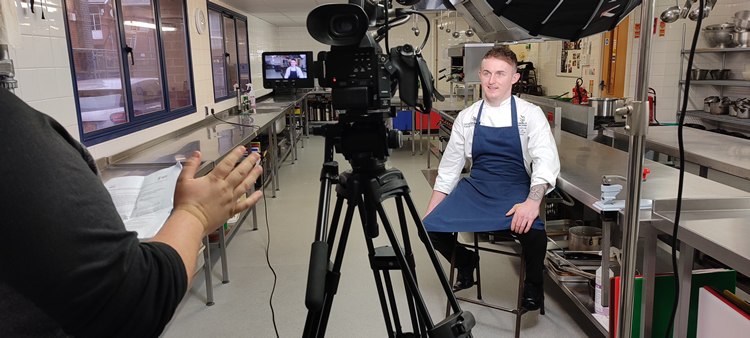
Interview filming options
✓ Seated interviews
✓ Walk-and-talk interviews
✓ Multi-camera interviews
✓ Vox pops and public interviews
✓ Direct-to-camera presentations
✓ Video podcast setups
INTERVIEW PLANNING
Plan the edit before the interview
Need supporting footage too? Plan the interview and B-roll together so the visuals directly support what contributors are saying. Interview & B-roll filming →
Start with the finished purpose
A leadership message, case study, documentary sequence and recruitment film all need different kinds of answers. We establish where the interview will appear and what viewers need to understand before shaping the questions.
Choose how the interview will appear
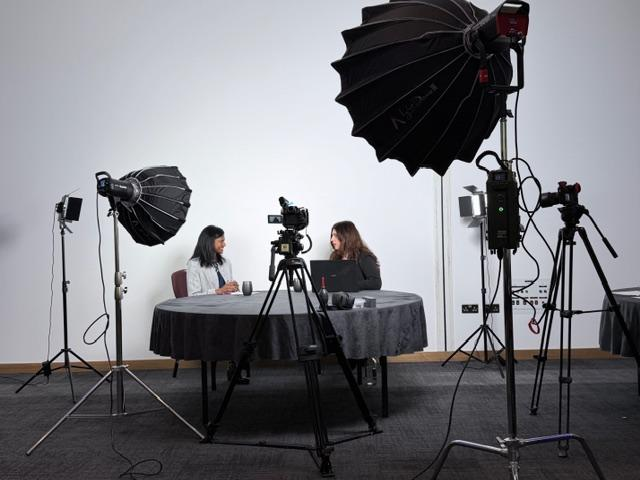
There are two common ways to structure an interview. In a two-person interview, the interviewer and contributor both appear in the finished film, with coverage planned so the edit can move naturally between each speaker and a shared view when needed.
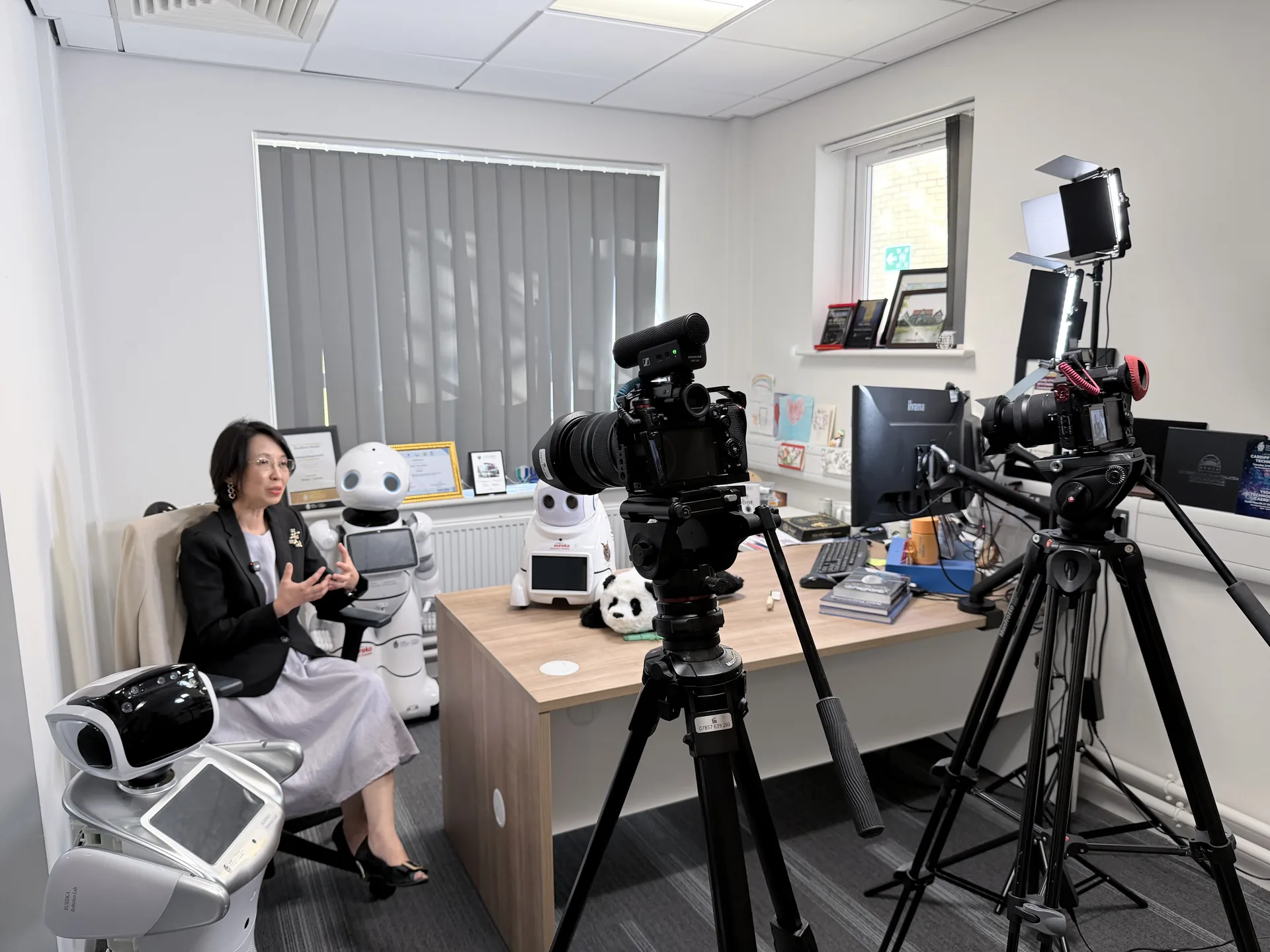
In an off-camera interview, the interviewer sits beside the camera and remains out of shot. Their questions are normally removed in post-production, leaving the contributor’s answers to carry the story. This often feels more natural for people who are less comfortable speaking directly to camera.
Decide who should cover each point
With several contributors, there is usually no benefit in asking everybody the same list. We can divide subjects between people so each contributor speaks from genuine experience and the final edit contains less repetition.
Plan short clips at the same time
If individual answers may later become social clips, staff messages or website content, we can deliberately record concise versions as well as the fuller conversation rather than trying to manufacture them afterwards.
Let the answers guide the supporting shots
When the interview is part of a wider film, the conversation helps identify the b-roll worth capturing: people, processes, products, locations or details that directly illustrate what the contributor is talking about.
MORE FROM ONE SESSION
One interview can create several useful edits
Plan the outputs before filming and the same conversation can provide a useful bank of material for different audiences and channels.
Build the main story
Use the strongest answers from the conversation to shape a case study, leadership film, recruitment piece or documentary sequence.
Serve different audiences
A longer customer-facing story and shorter staff, recruitment or stakeholder versions can often come from the same shoot.
Create standalone answers
Record concise self-contained responses that can become individual website, social or internal communication clips.
Keep useful material for later
Well-organised interview selects and supporting footage can remain useful for later edits, campaigns and multi-location content.
Experienced with first-timers and senior contributors
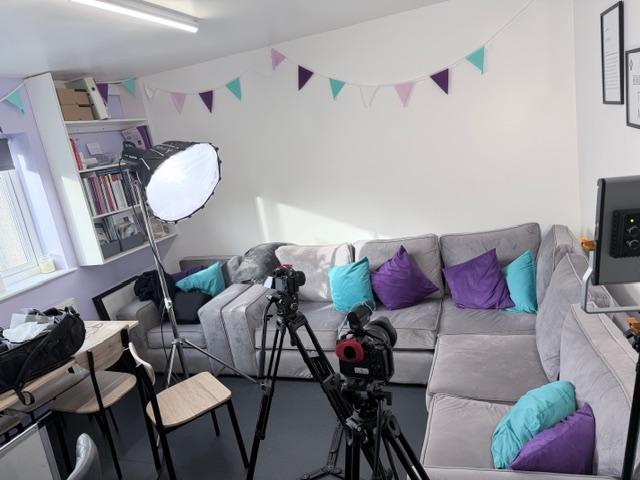
We film interviews for corporate, public-sector, documentary and feature-film productions, from first-time contributors to senior executives, healthcare professionals, engineers, members of the public and recognised actors for EPK work.
The approach is calm and production-led: prepare the contributor, control the room, record clean sound and build coverage that will cut properly. We can operate as a stand-alone interview unit or as part of a wider case study, documentary, recruitment, public-sector or behind-the-scenes production.
INTERVIEW EXAMPLES
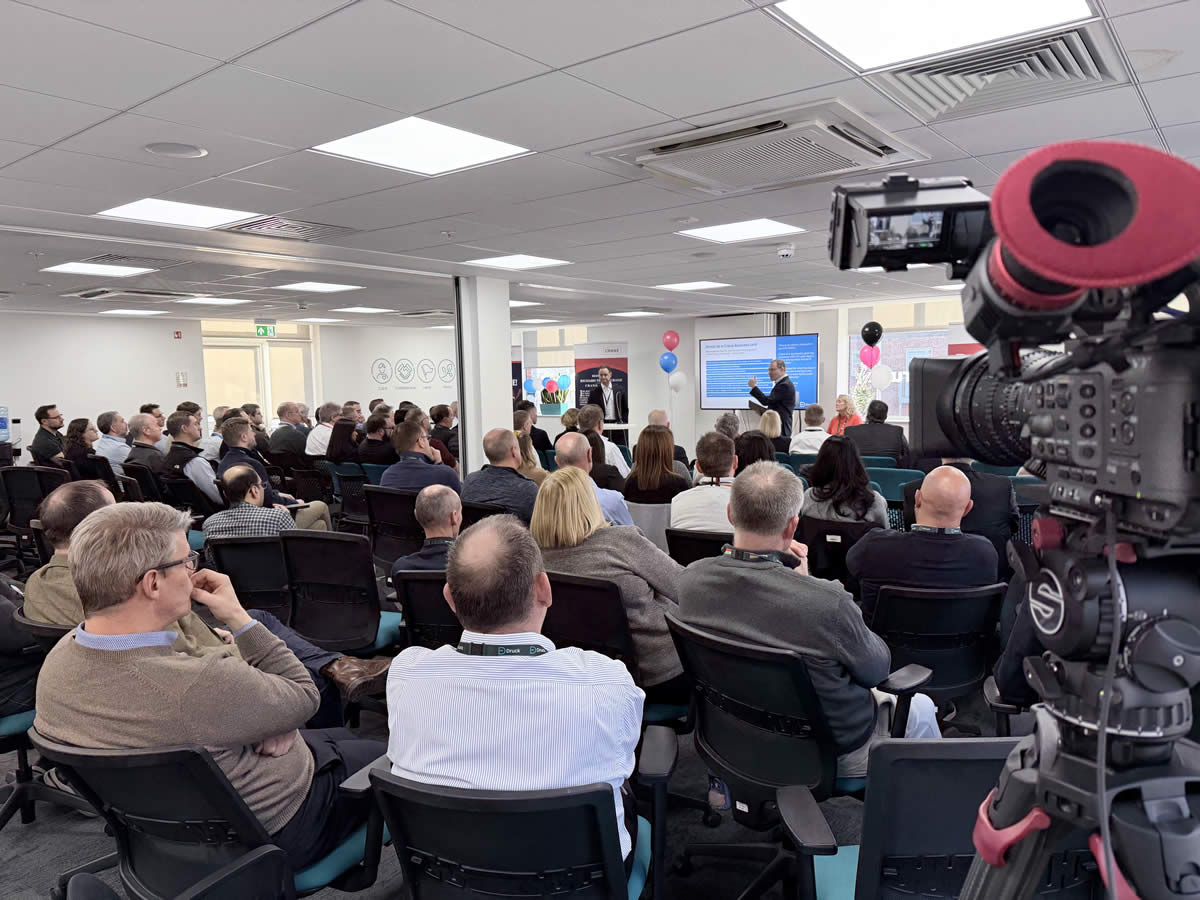
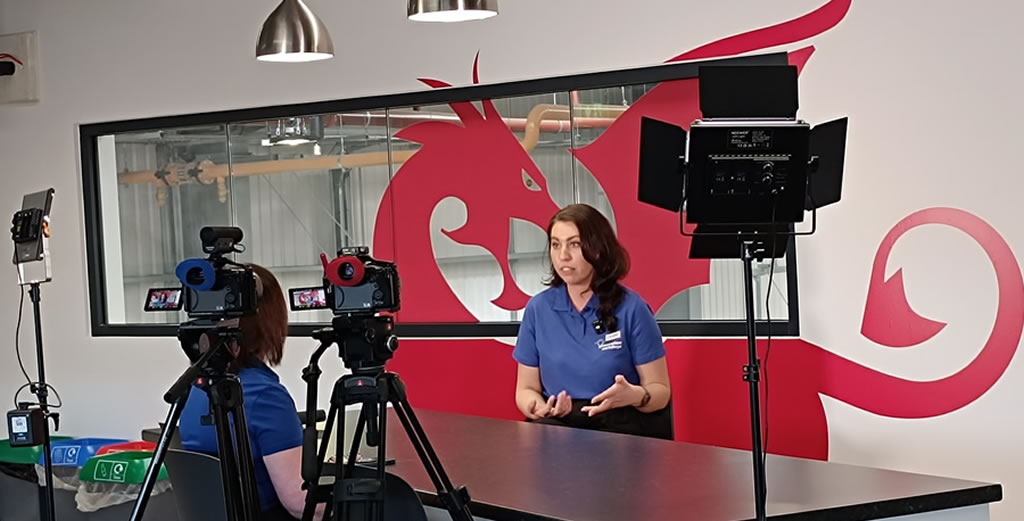
Different rooms. Different contributors. One clear standard.
Interview style should follow the contributor, location and edit — not a fixed camera recipe.
PREPARATION
Prepare the contributor, not a performance
✓Agree the audience, purpose, contributors and the versions the edit must deliver before filming.
✓Check questions for clarity and repetition, then order them so answers can stand on their own.
✓Use conversation, prompts, script or autocue according to what helps the speaker sound natural.
✓With several contributors, divide subjects intelligently and plan supporting B-roll around what actually emerges.

PRODUCTION KIT
Flexible interview filming kit
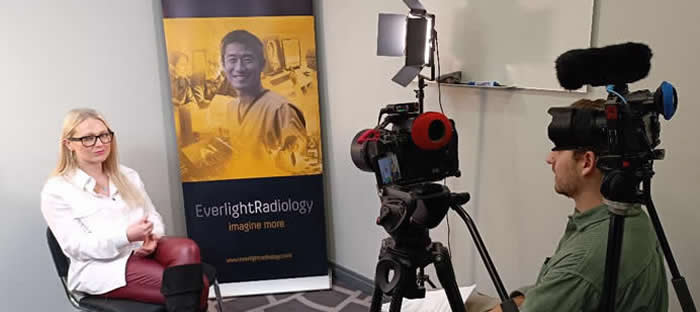
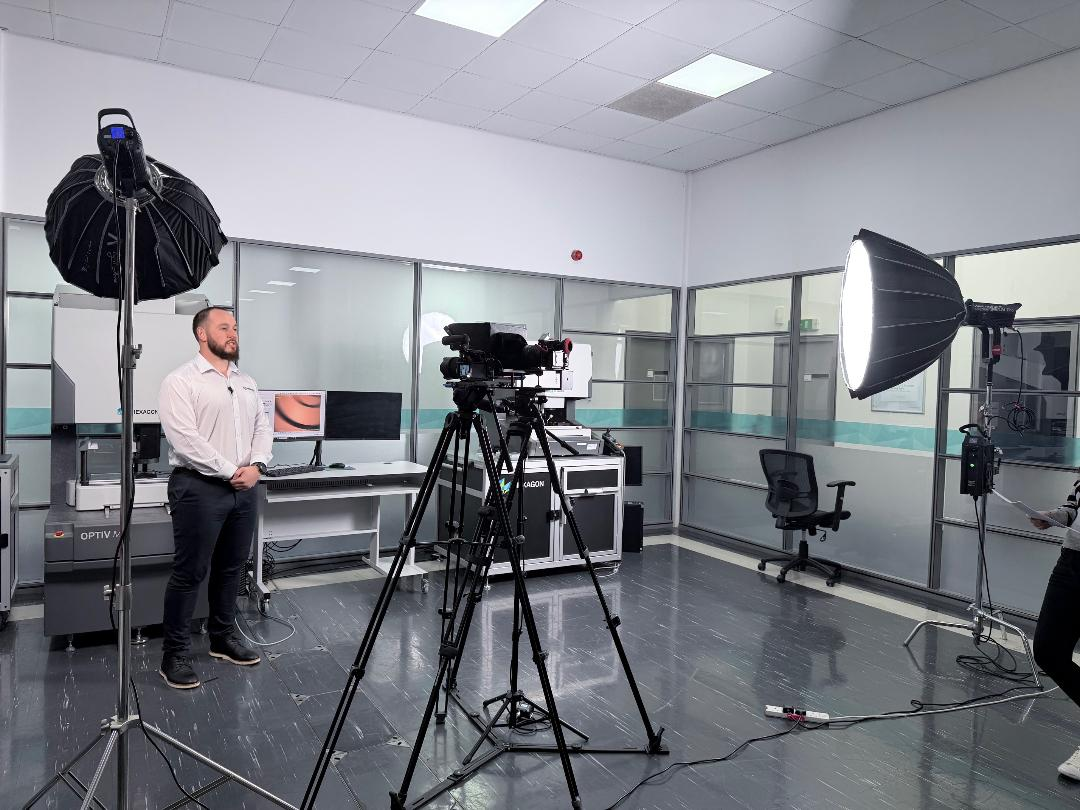
✓Compact cameras, audio and LED lighting for restricted access or smaller rooms.
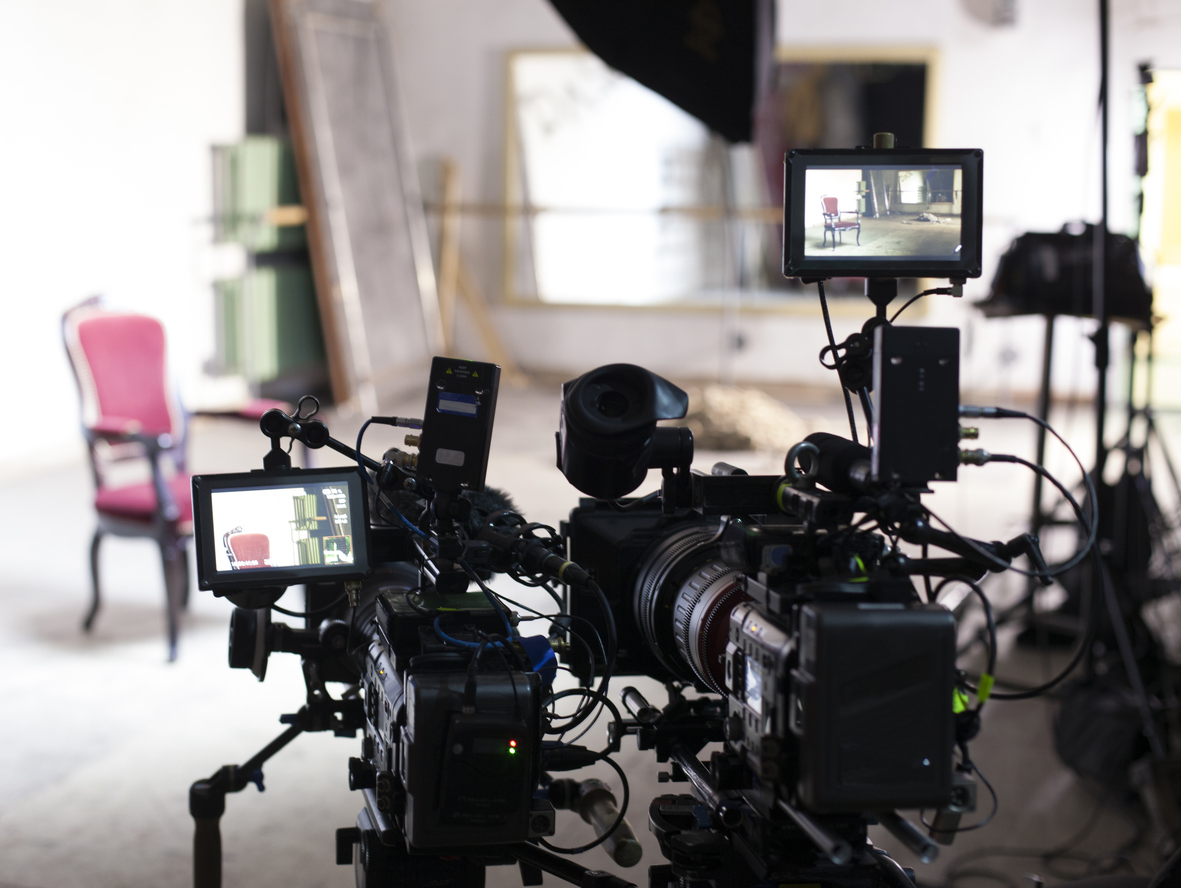
✓Sony FX6 and additional cameras where the brief needs a larger multi-camera setup.
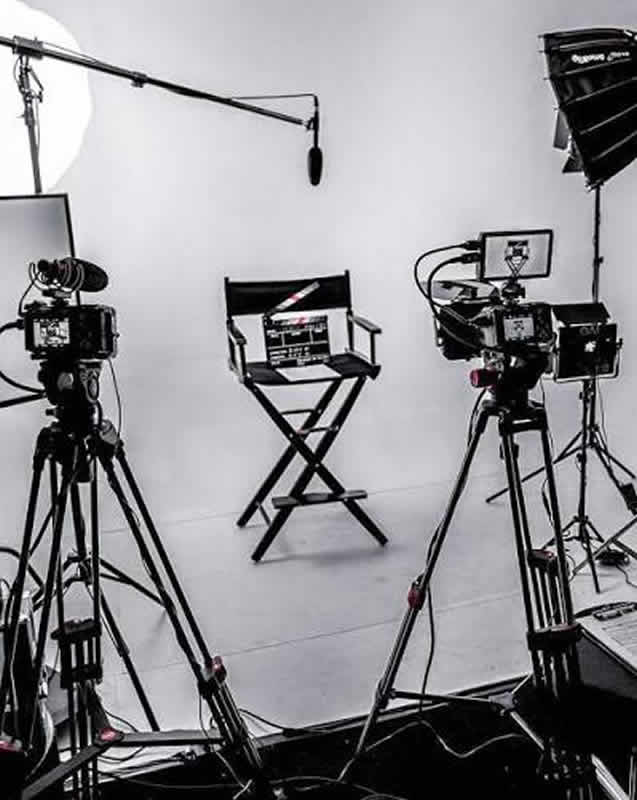
✓Larger lighting and boom microphones when the room allows more control.
✓Client monitoring and autocue can be added where the location and brief justify it.
The best kit is the kit that suits the room and can realistically reach it. Parking, lifts, stairs, security and setup time all affect the package.
ON LOCATION
Build the setup around the location
We film in offices, factories, hospitals, venues, homes and temporary event spaces. Before committing to a setup, we check room depth, background, noise, power, access and the time available with each contributor.
A second camera can make shortened answers easier to edit; larger lighting gives more control when the room allows it. Sound is assessed before we choose the room because air conditioning, traffic or machinery can matter more than the décor.
Where the film needs context, we combine the interview with relevant B-roll of the workplace, products, processes or people being discussed.
Case study videos · Recruitment films · Internal communications
CHOOSING THE ROOM
Room depth matters more than extra kit
Moving the contributor away from the background creates depth, gives us room for back light and lets subject and background be controlled separately.
Small boardrooms can work, but furniture, walls and camera distance quickly limit the options. If several rooms are available, phone photographs or a quick walkthrough can identify the best one before the crew arrives.
If the office is very tight or noisy, a larger meeting room or studio can improve the result more than adding more equipment.
HOW IT WORKS
A simple six-step interview process
Plan the interview
Agree the audience, message, contributors and intended final versions.
Prepare contributors
Share themes or questions and decide whether prompts, a script or autocue will help.
Film on location
Set the background, lighting, camera positions and microphones around the location.
Capture supporting material
Where the finished film needs it, capture workplace detail, interactions or demonstrations that support the answers. More about B-roll →
Edit the story
Select the strongest answers, remove repetition and build a clear narrative.
Deliver versions
Add captions, names, logos, music and the formats required for each channel.
INTERVIEW SHOOT PREPARATION
How to prepare for the filming day
01Choose the location
Choose a simple, uncluttered background. If you have options, send phone photographs or a walkthrough so we can identify the best combination of space, quiet and controllable light. A studio or meeting room can be a better investment than forcing a cramped or noisy office to work.
Allow setup time: for a carefully lit documentary-style interview, allow around one to two hours for camera, lighting and sound preparation. A faster minimal setup is possible, but gives less control.
02Prepare the contributors
Explain the purpose and discussion topics in advance. Encourage conversation rather than memorised answers, avoid fine stripes and busy patterns, and remind contributors that questions can be repeated and mistakes edited out.
Start with the message the interview must communicate, use concise open questions — how, what and why — and identify answers that need supporting B-roll.
INTERVIEW VIDEO PRICING
Interview video packages
Interview filming typically starts from £895 for a professionally lit two-camera interview shoot. Production with supporting B-roll and a finished edit usually starts from £1,300 plus travel. Larger multi-contributor, multi-location or crew-heavy productions can run to several thousand pounds. Cost is driven by filming time, locations, crew, specialist equipment and post-production; every project is quoted before filming.
INTERVIEW FILMING
From £895 + travel
✓ Up to 4 hours on location
✓ Professional lighting & sound
✓ Two 4K cameras on tripods
✓ Interview filming only
✓ Custom titles
FULL-DAY PRODUCTION
From £1,500 + travel
✓ Up to 8 hours on location
✓ Extended interview filming
✓ Professional editing
✓ Licensed music & custom titles
✓ Revisions
Multi-day productions, multiple locations, additional cameras, teleprompter, drone filming, hair and make-up artists and voice-over can all be quoted as part of a bespoke production.
RECENT CLIENTS
Organisations we have worked with
Commercial, public-sector, education, healthcare, construction and media work across a wide range of production environments.
UK COVERAGE
Coverage across the UK
Professional interview filming and interview video production for corporate, case study, documentary and internal communications projects across the West, Thames Valley, South Coast, Midlands and London.
Interview filming Bristol
Professional interview filming in Bristol for corporate interviews, case study videos, leadership messages and documentary content. We film in offices, venues, universities, hospitals and industrial locations across Bristol and the surrounding area.
Interview filming Swindon
Interview video production in Swindon for corporate video, customer case studies, recruitment films and internal communications. Compact or multi-camera interview setups can be matched to offices, workplaces and event venues.
Interview filming Reading
Professional interview filming in Reading and Berkshire for corporate interviews, testimonials, case studies, events and internal communications, with supporting b-roll available where the finished film needs more visual context.
Interview filming Oxford
Professional interview filming in Oxford for universities, research organisations, businesses, events and documentary projects. Multi-camera interview production is available for academic, technical and senior contributors.
Interview filming London
Professional interview filming in London for corporate video, documentary, case study, leadership and branded content. Compact professional kits are available for locations where access or parking makes a larger setup impractical.
Interview filming Guildford
Interview filming in Guildford and Surrey for businesses, professional services, events and thought-leadership content, including executive interviews, multi-speaker filming days, direct-to-camera pieces and interview plus b-roll shoots.
Interview filming Southampton
Interview video production in Southampton and Hampshire for corporate interviews, case studies, recruitment films, events and internal communications. We can work in offices, venues, industrial sites and other operational locations.
Interview filming Bournemouth
Professional interview filming in Bournemouth and Dorset for businesses, organisations, events and location productions, including sit-down interviews, leadership messages, testimonials, case studies and interview plus b-roll filming.
Interview filming Gloucester
Interview filming in Gloucester and Gloucestershire for businesses, public-sector organisations, engineering companies and project teams. Available for single interviews, multi-contributor shoots and interview plus b-roll production.
Interview filming Birmingham
Interview video production in Birmingham for corporate communications, case studies, conferences, recruitment and leadership content, from a single contributor to a full day of professionally lit multi-camera interviews.
COMMISSIONING QUESTIONS
Questions clients often ask before booking
Can you film only and supply the raw footage?
Yes. We can provide a filming-only crew and hand the footage to your agency, producer or in-house editor in an agreed format.
Can you match an existing interview style?
Usually, yes. Send us a previous interview or style reference and we can plan framing, eyeline, lighting, background and delivery to sit naturally alongside the existing series.
Can interviews filmed on different days look consistent?
Yes. For multi-location projects we can repeat framing, camera height, eyeline, lighting approach, audio and colour settings so separate shoots feel like one production.
Can you work with our agency or in-house team?
Yes. We regularly work from another producer's brief, shot list or technical specification and can concentrate solely on the production role you need us to cover.
How far ahead should we book?
Once the date, contributors and location are reasonably firm, it is worth reserving the filming date. Short-notice shoots may also be possible depending on availability and travel.
Can you work to our technical delivery specification?
Yes. If your editor or broadcaster has requirements for resolution, frame rate, codec, audio, file naming or media organisation, send them before the shoot and we can plan the recording accordingly.
Do I need a makeup artist for interview filming?
A makeup artist isn’t essential for most corporate video interviews. Video lighting often makes natural skin shine more noticeable, particularly on the forehead, nose, cheeks and bald or shaved heads.
For smaller shoots, we carry disposable anti-shine blotting sheets for quick touch-ups to absorb excess oil and reduce shine. For larger or high-end productions, we can recommend a professional makeup artist experienced in video work, helping contributors look natural on camera and maintaining a consistent appearance throughout filming.
CAMERAS, LENSES & EYELINE
Build the angles for the edit
Why do you normally use two cameras?
A second angle gives the editor somewhere natural to cut when shortening an answer, removing filler words or joining the strongest parts of two takes. A third camera can be useful when both interviewer and contributor appear.
Which lenses work for interviews?
There is no single interview lens. We commonly work around 35mm, 50mm and 85mm-style fields of view depending on the room, camera position and desired background separation. In a cramped room a wider lens may be unavoidable; in a larger room a longer lens can give a more separated background.
Should the contributor look into the camera?
It depends on the purpose. Looking just beside the lens towards an interviewer usually feels conversational. Looking directly into the lens is powerful when the speaker is addressing the audience personally. We decide the eyeline before filming rather than treating one approach as a rule.
Ready to film?
Tell us who is speaking, where the film will be used and what the audience needs to understand. We will recommend a practical filming structure around the brief.