
USEFUL VIDEO CONTENT FOR BUSINESSES AND ORGANISATIONS
Corporate Video Production UK
Useful business video — planned around the job it needs to do.
MJ Films produces corporate video for businesses, agencies, communications teams and public-sector organisations across the UK. The aim is not simply to make something polished: it is to make video that explains, proves, trains, reassures or helps sell.
In our experience, the most useful films start with the problem the organisation needs to solve. We help shape the brief, suggest what is worth filming, avoid unnecessary production and plan outputs that can keep working after the main film is delivered. For the wider range of formats and specialist services, see our UK video production service.
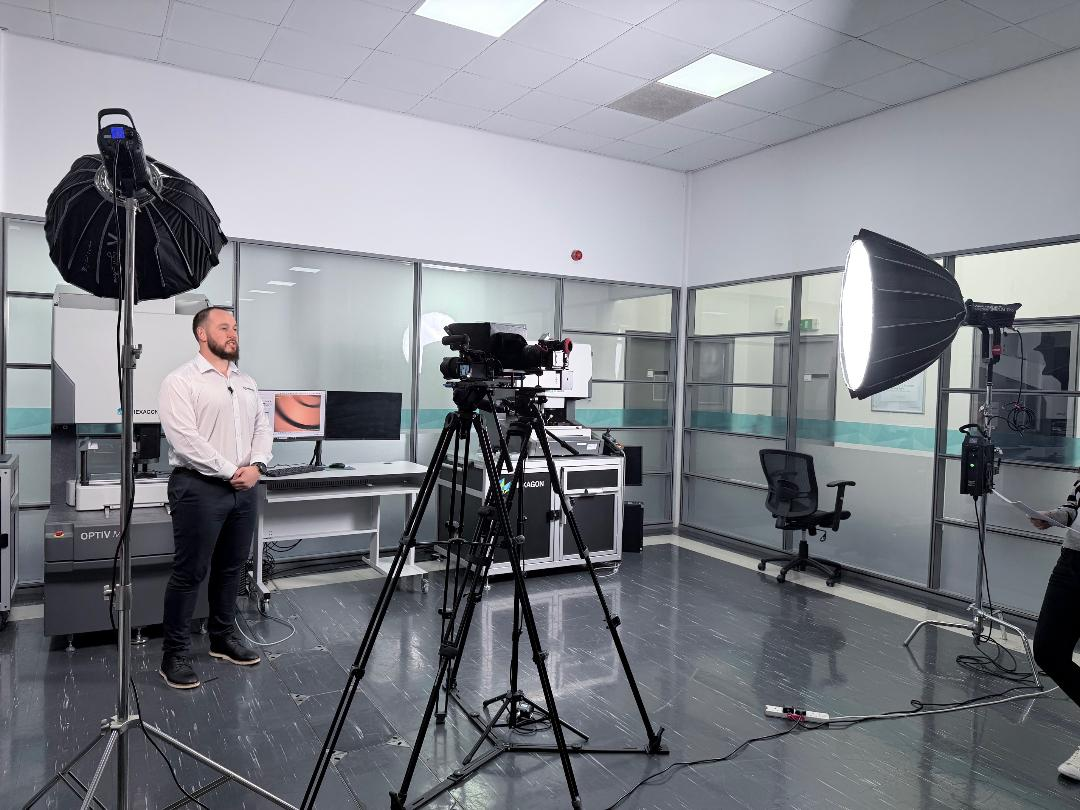
ONE PRODUCTION, BUILT AROUND THE BRIEF
Interviews • workplace filming • autocue • multiple cameras • drone • editing • social versions
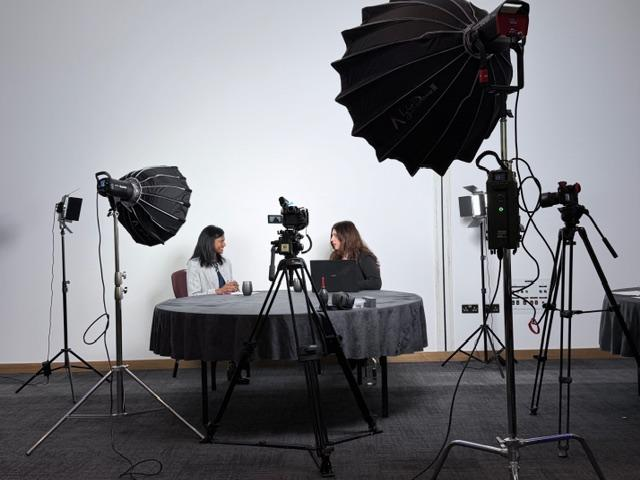
HOW TO COMMISSION A CORPORATE VIDEO
Start with the purpose, not a finished script
Tell us who needs to watch the film, what they need to understand and where the finished content will be used. We can turn that into a practical structure, filming plan and set of deliverables.
The strongest brief is usually built around the audience and the evidence available on camera rather than a long list of shots.
✓Define the audience and campaign use — see marketing video production.
✓Choose credible contributors — plan professional interview filming.
✓Show evidence behind the claims — use case study videos where customers or projects provide the proof.
✓Plan access and working conditions — see our site filming service.
✓Agree useful outputs and budget early — use the video production pricing guide.
CORPORATE VIDEO SERVICES
Choose the production style that fits the brief
Different jobs need different people, cameras and coverage. The production is built around the purpose of the film rather than forcing every project into the same format.
✓
MARKETING · CAMPAIGNS · SOCIAL
Marketing videos
Campaign films for websites, launches, sales activity and social media should be planned around the audience and the action you want viewers to take.
A main film, shorter edits, LinkedIn cutdowns and vertical versions can be designed together so one production day produces a more useful bank of content.
✓
PEOPLE · STORY · ORGANISATION
Brand films
Brand films use real people, workplaces and carefully chosen detail to show what an organisation does and why it matters.
The production can stay documentary-led or become more planned and campaign-focused when the concept needs scripting, presenters or controlled scenes.
✓
LEADERSHIP · EXPERTS · TESTIMONIALS
Interview filming
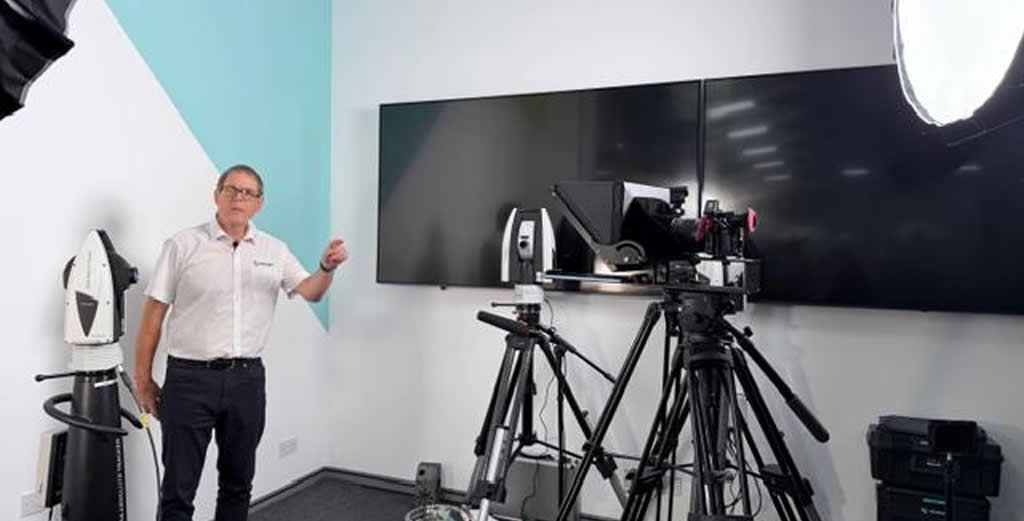
Senior staff, customers and specialists often carry the authority in a corporate film. We create a relaxed setup with clear sound, flattering light and natural eyelines.
Filming can stay compact or add a second angle, teleprompter and workplace B-roll when the message needs more visual variety.
✓
CUSTOMERS · PROJECTS · RESULTS
Case study videos
Customer stories and project films work best when the claims in an interview can be supported by real results, locations, products and useful workplace footage.
That gives the finished film evidence on screen rather than asking viewers to rely on promotional claims alone.

✓
TRAINING · INDUCTION · INTERNAL COMMS
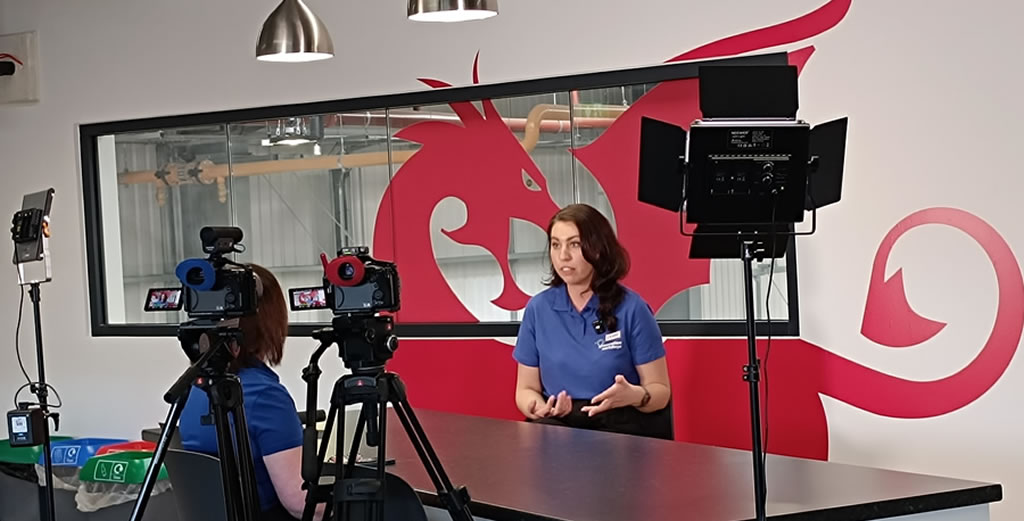
Training and induction videos
Training films can cover onboarding, demonstrations, procedures and health and safety information as complete programmes or shorter reusable chapters.
Wide coverage protects the full sequence while close views show the controls, checks, hand positions and details people actually need to understand.
✓
CONFERENCES · PANELS · PRESENTATIONS
Event filming
Conferences, talks and organisational events can be covered with one or several cameras, clear venue sound and a filming plan built around the running order.
Delivery can include full sessions, highlights, speaker interviews and shorter campaign material from the same event.
CORPORATE VIDEO EXAMPLE
The transition; first day on the factory floor
Build the structure around the message
A useful corporate film normally needs more than a collection of attractive shots. Interviews, demonstrations, workplace activity and atmosphere should each have a reason to be there.
The production can be scaled from a focused single-operator shoot to a larger crew with additional cameras, sound, lighting, autocue, drone or production support when the brief justifies it.
USEFUL VIDEO, NOT VIDEO FOR ITS OWN SAKE
Why video is useful to companies and organisations
A useful film does a job. It can explain something your team repeats every week, show a process that is hard to describe in text, prove a claim with real people and real work, train staff consistently, reassure a buyer before they make contact or give a sales team something credible to send after a meeting.
Make one filming day work harder
In our experience, filming only for one finished video wastes opportunities. We suggest deciding the useful outputs before the shoot — main film, short clips, vertical versions, clean interview extracts, still frames or internal edits — because that changes how we frame, record and cover the day.
That means the footage is captured for reuse rather than cropped and repurposed as an afterthought.
Show evidence, not just claims
We believe corporate video is most persuasive when viewers can see the evidence for themselves. We therefore suggest filming the people, products, locations, demonstrations and working detail that support what is being said.
It is usually more useful than filling a film with generic shots that look good but prove very little.
THE DIFFERENCE IS THE JUDGEMENT BEFORE FILMING
Why clients find MJ Films useful
A camera operator can record what is put in front of them. Our job starts earlier: working out what is worth filming, what is unnecessary, what could go wrong on the day and how the material will actually be used afterwards.
We suggest what will help — and what will not
In our experience, more cameras, more equipment and a longer shot list do not automatically make a better film. We scale the production to the brief and will say when a second camera, drone, autocue, extra crew or another filming day adds something useful — and when it does not.
That keeps the budget focused on the parts the audience will actually see and use.
We have learned to remove avoidable problems before the shoot
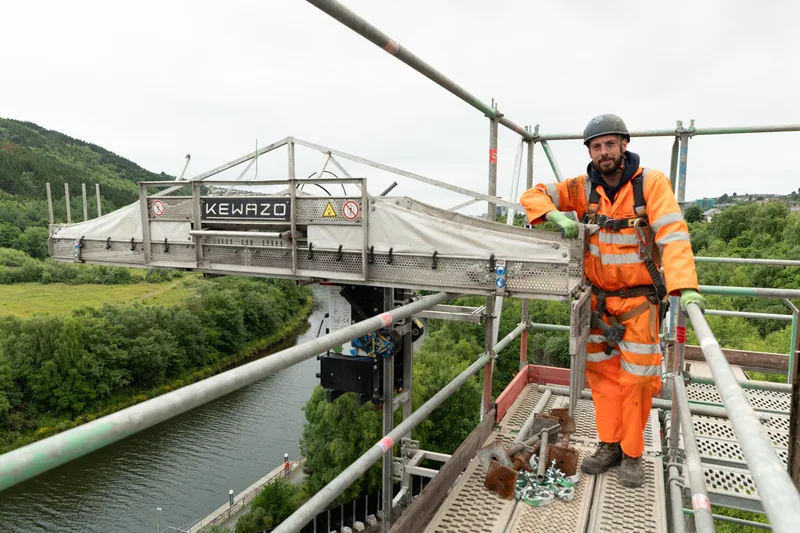
Noise, access, shift patterns, room changes, security, contributor timings and restricted areas can all eat into filming time. We ask about them early because solving them in advance is cheaper and less disruptive than discovering them with a crew waiting on site.
On operational locations we also plan around the work itself, rather than expecting the organisation to behave like a film set.
Natural interviews rather than recited answers
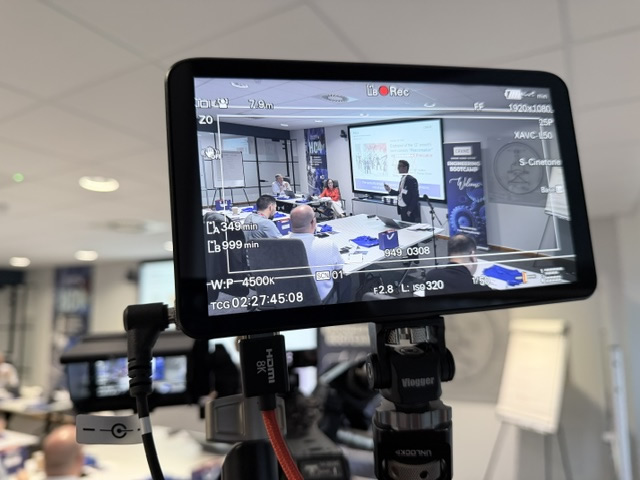
We normally recommend questions and talking points rather than asking contributors to memorise paragraphs. People tend to sound more credible when they are explaining something they know. Where wording must be exact, we can use a teleprompter instead.
We protect the useful detail
For demonstrations and processes, we have learned to cover the full sequence and the close detail separately. A wide shot protects continuity; close views show controls, checks, hand positions and small actions that viewers may actually need to understand.
FROM BRIEF TO DELIVERY
One practical route
Brief, plan, film and edit — with the important decisions carried through from the first conversation to delivery. See the full production process.
01 — Brief
Audience, purpose and outputs.
02 — Plan
People, location, access and schedule.
03 — Film
Interviews, action and supporting detail.
04 — Deliver
Edit, review and final versions.
LOCATION, SCALE AND CONTEXT
Film where the work actually happens
RECENT CLIENTS
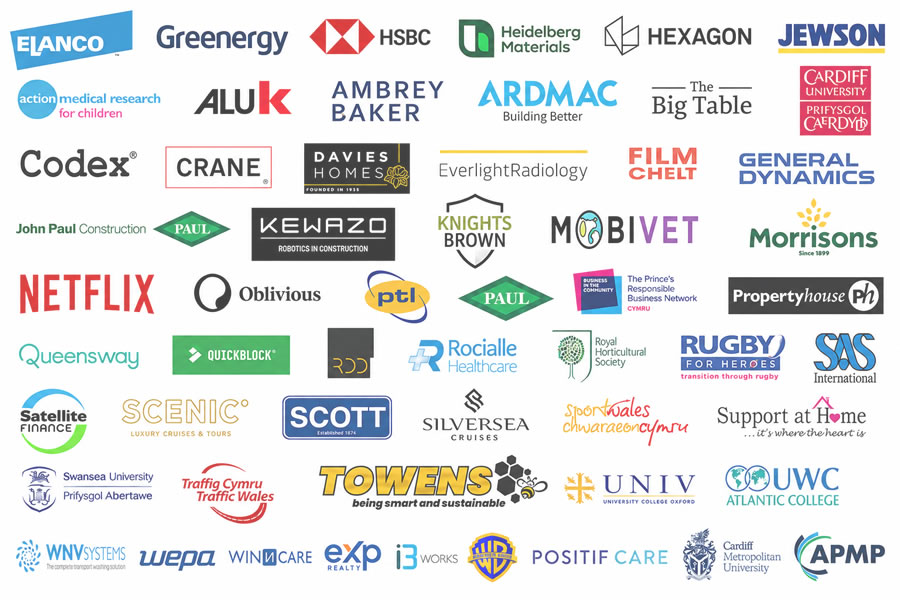
Organisations we have worked with
Commercial, public-sector, education, healthcare, construction and media work across a wide range of production environments.
CORPORATE VIDEO PRODUCTION ACROSS THE UK
Choose a location
Dedicated regional pages cover local access, production experience and the kinds of shoots we handle in each area. Open a location below for the relevant page.
London
Offices, venues, conferences and multi-location corporate shoots across Greater London. View London video production.
Oxford & Oxfordshire
University, research, business and event filming across Oxford and the wider county. View Oxford & Oxfordshire video production.
Swindon & Wiltshire
Business, industrial and location production across Swindon and Wiltshire. View Swindon & Wiltshire video production.
Bristol
Corporate interviews, events, training and workplace filming across Bristol and the wider South West. View Bristol video production.
Cardiff
Business, public-sector, event and interview production in Cardiff and South Wales. View Cardiff video production.
Bournemouth & Dorset
Corporate and location filming across Bournemouth, Poole, Dorset and the south coast. View Bournemouth & Dorset video production.
Hereford & Herefordshire
Business, agricultural, industrial and event filming across Hereford and rural Herefordshire. View Hereford & Herefordshire video production.
Gloucestershire
Corporate production across Gloucester, Cheltenham, business parks and rural locations. View Gloucestershire video production.
Surrey
Corporate interviews, events and workplace filming across Surrey and the M25 corridor. View Surrey video production.
Manchester
Business video, interviews and location production across Manchester and the North West. View Manchester video production.
Liverpool
Corporate and event filming across Liverpool and Merseyside. View Liverpool video production.
Devon
Business, tourism, industrial and location filming across Devon. View Devon video production.
Shropshire
Corporate and site filming across Telford, Shrewsbury and the wider county. View Shropshire video production.
Scotland
Planned corporate production and location filming across Scotland. View Scotland video production.
PLANNING A CORPORATE VIDEO
Questions worth deciding before the cameras arrive
These are the decisions that usually have the biggest effect on the filming plan, budget and usefulness of the finished content.
What should we prepare before asking for a quote?
In our experience, the most useful starting point is the filming location, preferred date, audience, deadline and the people or activity that need to appear. A finished script is not required. We suggest starting with the job the video needs to do, because that usually makes the filming plan and budget clearer. The video production process shows how those early notes become a workable production plan.
What makes a corporate video feel credible rather than promotional?
We believe credibility comes from real people, useful evidence and specific detail rather than broad claims. That may mean a senior contributor, customer experience, a real working process or a completed project. We suggest showing the evidence whenever possible so the viewer does not have to take the organisation’s word for it. Case study videos and interview filming are often the strongest starting points.
How much filming time should we allow?
It depends on the number of contributors, locations, setups and outputs. We have learned not to overload a filming day simply to make the shot list look bigger. One focused interview can be compact; several interviews plus workplace footage, demonstrations or multiple departments need a more deliberate schedule so useful material is not lost to rushing. The quotation separates filming, crew and post-production so the scope is clear; see the video production pricing guide.
How should one shoot be planned for LinkedIn, the website and internal use?
Plan the different uses before filming. A main website film can sit alongside shorter LinkedIn edits, interview extracts, captioned versions, vertical or square crops and internal cutdowns when the framing and shot list allow for them. Our marketing video production page covers campaign-led content, while internal communications video covers staff-facing work.
When is an interview better than a scripted presentation?
Interviews suit subjects who need to sound natural, informed and conversational. Scripted or teleprompter delivery is useful when wording must be tightly controlled. Many corporate films combine both approaches, supported by workplace b-roll. See professional interview filming.
What affects the cost of a corporate video?
The main variables are filming time, number of locations, crew size, specialist equipment, travel, editing and the number of finished versions. We price the real scope rather than a fixed cost per finished minute. We also suggest where equipment or extra crew will genuinely help, and where spending more is unlikely to improve the result. See the pricing guide for the way different production sizes are approached.
What happens after the filming day?
Footage is organised, edited into the agreed structure, reviewed and supplied in the formats agreed at the start. We have learned to agree useful outputs early — including graphics, captions, shorter edits and social versions — because it avoids discovering at the end that a channel needs a format we did not plan to capture. The post-production service explains the editing stage in more detail.
START WITH THE JOB THE VIDEO NEEDS TO DO
Tell us the audience, location and outcome. We can plan the rest.
You can send a finished brief, rough notes or simply the problem you are trying to solve. We will come back with a practical production approach and a clear quotation.
Useful details to send
• preferred filming date
• location
• intended audience
• people or activity to film
• deadline
• main film and any cutdowns