
From Handshake to Hard Lessons
In late 2023, MJ Films was invited to produce an Electronic Press Kit (EPK) for an ambitious multi-million-pound independent medieval fantasy feature film shot in South Wales and Gloucestershire. The agreement was refreshingly simple: our Creative Director, Mark, would produce the EPK, create his own behind-the-scenes featurette from the material he captured, and receive an on-screen credit. We shook hands, everyone was happy, and production began. For Mark, it was initially a cause for celebration. Opportunities to produce an EPK for an independent feature of this scale are rare, particularly within such a niche genre. It was intended to be a calling card—a chance to break into larger-scale filmmaking. He would soon discover that such opportunities are rare for a reason.
Mark was on set almost every day for five weeks, determined not to miss a moment, capturing insightful interviews and striking B-roll to help promote the film. When the production’s hired stills photographer failed to appear, the producers also asked him to step in and capture publicity stills. By the end of the shoot, he had recorded around 3TB of material, and the project had grown into something far more ambitious than a straightforward collection of interviews and behind-the-scenes footage.
Towards the end of principal photography, the film's creative producer joined the production and revealed a very different vision. Rather than a traditional promotional EPK, he wanted a feature-length observational documentary that explored the filmmaking process in much greater depth.
It was a direction Mark actually welcomed. Long-form behind-the-scenes documentaries have always been his preferred style. But it also meant changing approach mid-production. Instead of concentrating on promotional interviews and carefully selected behind-the-scenes moments, the focus shifted towards longer conversations, greater access to department heads, and capturing the creative discussions that shape a film. That inevitably meant filming differently—and collecting significantly more material.
By post-production, the project continued to evolve. The film changed title, the original story behind how the project came together was dropped from the narrative, and editorial priorities shifted again. Communication became increasingly fragmented, with key creative decisions being made elsewhere. The EPK itself changed direction more than once as new ideas and expectations emerged.
Today, the feature film remains unreleased, and the EPK has never been publicly seen. While that's disappointing, the experience proved invaluable. More than anything, it demonstrated that an EPK isn't simply something you squeeze in alongside principal photography. It's a production in its own right, and it deserves the same planning, communication and creative leadership as the feature film itself.
Despite the challenges, Mark came away with a much deeper appreciation of what producing an EPK really involves. Beyond the camera work, it requires planning, diplomacy, scheduling, trust and the ability to adapt as a production evolves. Those lessons now shape every behind-the-scenes project undertaken by MJ Films.
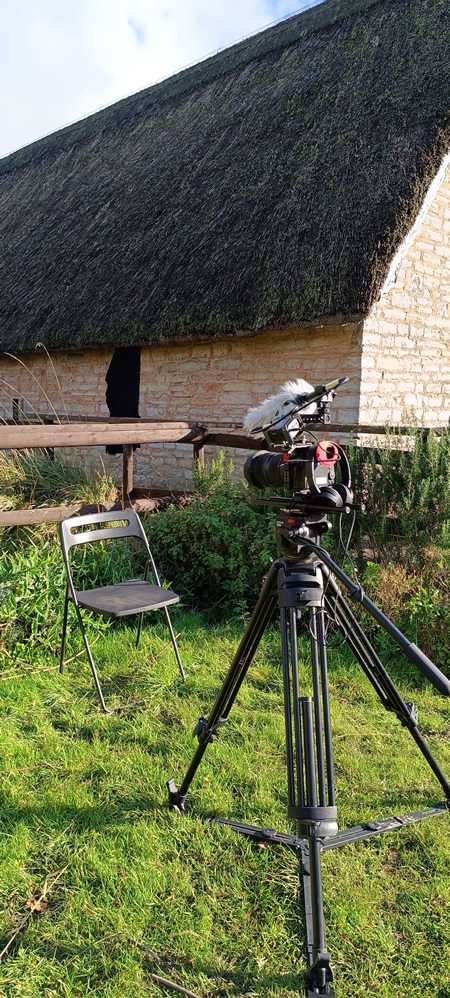
Chosen for its compact size, strong in-body stabilisation and reliable 10-bit recording, the Panasonic Lumix S5IIX gave Mark the flexibility to move quickly around a busy film set without compromising image quality.
What Mark Learned
An EPK needs a clear brief from the start. Although it was initially agreed that Mark would make his own behind-the-scenes film, the narrative was never clearly defined. A short promotional film and a long-form documentary require very different access, interviews and shooting styles. The interview structure and key questions should also be developed with the producers, so everyone is aligned on the vision. Without that agreement, the material can become difficult to shape in the edit.
Producing the EPK also highlighted a number of practical challenges. Even well-known actors may be reluctant to take part and often need encouragement from the producers, along with clear guidance on the kind of answers the film needs. On a busy location, finding a quiet space can be a challenge in itself, especially during a non-stop shoot. Interviews need to be coordinated with the Second AD, with enough time allowed for lighting, sound and setup, rather than treated as an interruption between scenes.
One lesson that only became apparent afterwards was the importance of briefing cast and crew before principal photography begins. It was only later, while interviewing the director at his home, that Mark learned some of the actors had been asking how long he would be on set. At the time, he had not stopped to consider how the presence of an additional camera might feel to people who had not been properly informed.
Interviews, access and filming boundaries should therefore be planned in advance, not worked out during production.
Most importantly, the agreement should be in writing, including deliverables, ownership, credit and editorial approval.
The biggest lesson was simple: an EPK is its own production, not an afterthought.
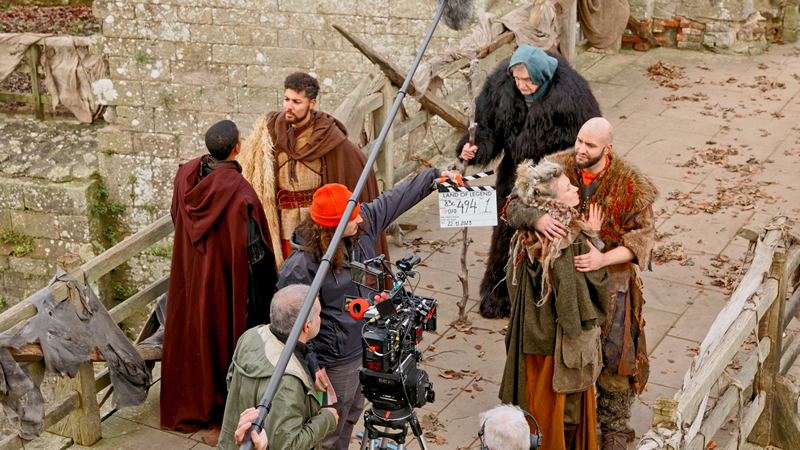
At the time of writing, the feature remains unreleased. Mark last saw the completed film at a private screening in April 2025, while the finished EPK and wider behind-the-scenes archive remain out of public view.
The material is there: five weeks of production footage, interviews, candid discussions and a substantial visual record of the shoot. Should the film eventually find an audience, there may also be interest in seeing how it was made. For now, both the feature and its behind-the-scenes story remain on the shelf.
Looking Ahead
Long-form behind-the-scenes documentaries have always been the inspiration behind Mark's approach to EPK filmmaking. Productions such as The Making of Raiders of the Lost Ark (1981), directed by Philip Schuman, and The Skywalker Legacy (2020) directed by Debs Peterson, show that the story behind a film can be just as compelling as the finished feature. They do more than promote a release—they preserve the creative process for future audiences.
Although this particular EPK has never been publicly released, the finished edit continues to serve another purpose. Shared privately as a password-protected portfolio piece, it has already opened conversations with other independent film productions about documenting their own projects.
Looking back, there wasn't one "correct" vision for the EPK. Every producer had a slightly different idea of what it should become. The lesson wasn't that one approach was right and another wrong—it was that everyone needed to agree on the creative direction before filming began.
For future EPK productions, Mark will be thinking about:
- whether the project is promotional, documentary-led or both;
- candid, observational footage versus structured interviews;
- deciding what not to film as well as what to film;
- who has final creative and editorial authority;
- the story, structure and interview questions before filming begins;
- briefing cast and crew when they join the production;
- scheduling interviews through the Second AD;
- securing quiet interview locations with time for lighting and sound;
- agreeing access to actors and heads of department;
- clarifying ownership, credit, approvals and deliverables in writing;
- ensuring the EPK has its own schedule, resources and production contact.
Since completing the project, Mark has also connected with other experienced behind-the-scenes filmmakers. That wider network means MJ Films is now better placed to scale the crew, improve sound coverage and respond to the needs of larger productions.
If you’re developing a feature film and want to capture the story behind the production—not just the finished result—we’d love to hear from you. Whether you need a traditional EPK, a feature-length behind-the-scenes documentary or both, MJ Films can help preserve the creative journey behind your film with the right planning, access and crew in place.