VIDEO PRODUCTION GUIDANCE
Video Production FAQ
Practical answers before you book a video production
Straight answers about planning a professional video production, filming interviews, working on active sites, choosing the right crew, editing and supplying the finished versions for websites, social media, presentations and internal use.
VIDEO PRODUCTION FAQ
PLANNING · FILMING · DELIVERY
BEFORE WE GET INTO THE DETAILS
Start with the brief, the audience and the filming day
What are we filming? Who needs to be involved? What can happen on the day, and what do you need at the end? Those answers determine the crew, equipment, schedule and edit far more than choosing a camera first.
If you are comparing a video production company or deciding which service fits the brief, start with our video production process. For common project types, see corporate video production, case study video production, training video production, promotional video production and event filming.
PLANNING THE FILMING DAY
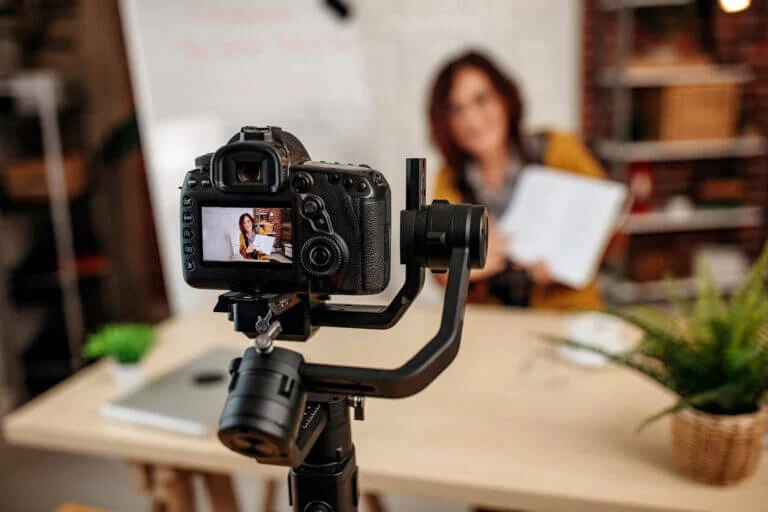
Get the practical details sorted early
A little preparation avoids people waiting around and helps us capture more in the time available.
A useful starting point
Tell us what the video needs to do, where it will be used, where we are filming, who needs to appear and anything on site that could affect access or timing.
Can you work from our existing brief or help shape the idea?
Yes. We can follow an established brief, or help turn a rough objective into a practical filming plan. That might mean agreeing the audience, key messages, contributors, locations, interview questions, shot list and deliverables before the day.
What do you need from us before filming day?
Usually the location, arrival and parking details, a site contact, contributor timings, filming permissions and any access or safety requirements. We also need to know where the finished video will be used, because that can affect how we frame and plan the shoot.
How much preparation is needed before filming?
It depends on the job. A straightforward interview may only need a short planning call, while a technical, industrial or multi-location production may need process notes, safety information, a schedule, approvals and a more detailed shot plan.
Can you work around tight schedules or unusual filming times?
Yes. We regularly plan filming around meetings, shifts, opening hours, deliveries, events and other fixed commitments. Early mornings, evenings and short access windows can all be considered when that is the most practical way to get the footage.
What if we only have a short filming window?
Tell us as early as possible. We will prioritise the shots that cannot be repeated, prepare the equipment in advance and keep the setup proportionate to the time available. If the brief is too ambitious for the window, we will say so before the crew arrives.
INTERVIEWS AND PEOPLE ON CAMERA
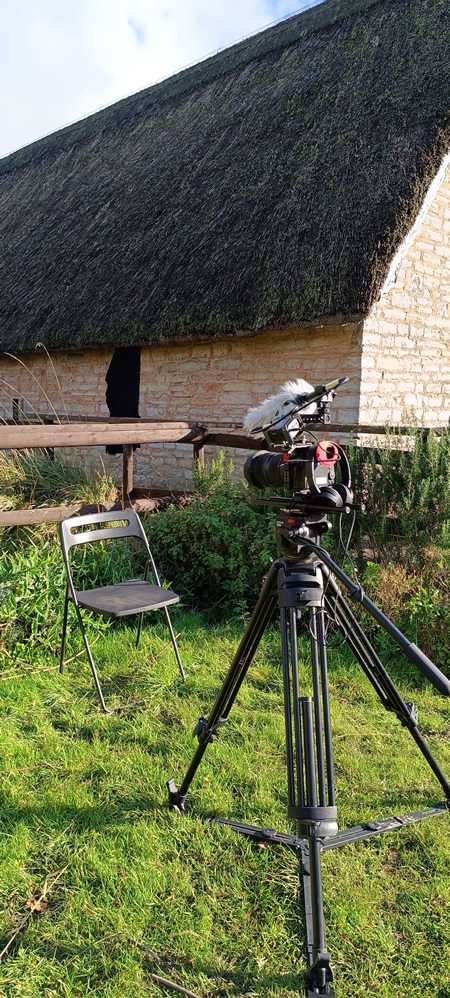
Give the contributor time to talk, not worry about the kit
A good interview setup should feel calm for the person in the chair. We plan the room, cameras, sound and lighting around the contributor and the time you actually have. See more about our professional interview filming.
How long does an interview setup take?
For a polished sit-down interview with controlled lighting, allow around one to two hours before the first contributor. In a smaller room, or where speed matters more, we can use a compact setup and be ready much sooner. We will tell you what is realistic before the day.
Do contributors need to memorise their answers?
No. Most interviews work better as a guided conversation. We can agree the subjects or questions beforehand so people know what to expect without rehearsing a speech. If exact wording matters, we can plan a scripted direct-to-camera approach instead.
Can we send the interview questions in advance?
Yes, and it usually helps. We can check them for repetition, jargon, very long answers and any important point that has been missed. On the day, the questions are normally used as prompts so the answers still sound natural.
Can you film several interviews in one day?
Yes. Keeping one interview setup in place and scheduling contributors in sensible blocks is an efficient way to film several people. We allow time for microphone changes, small lighting adjustments and the inevitable meeting that runs ten minutes late.
How much space do you need for an interview?
A quiet meeting room or office can be enough. More distance between the contributor and the background gives us more control, but sound is just as important as appearance. We look at room size, echo, air conditioning, traffic, glass, power and how often people need to walk through the space.
Who have you interviewed on camera before?
We’ve interviewed all kinds of people — care home residents, nurses, members of the public, students, construction workers, company directors, politicians, Army personnel and movie stars.
Most people need a little guidance on camera. That’s simply human nature — even experienced actors sometimes need direction in an interview setting. We keep things relaxed, guide people through the process and help them give natural answers without making them feel overly rehearsed.
What if someone is nervous about being interviewed?
That’s completely normal. Most people aren’t used to speaking on camera, so we keep the conversation relaxed and give them time to settle in. We can repeat questions, rephrase them and take another answer whenever needed. There’s no pressure to get everything right first time.
Can you film customer case studies and testimonials?
Yes. Customer stories work best when the interview is supported by footage that shows the business, product, service or result being discussed. We can plan the questions, film the contributor and gather the supporting B-roll needed for a complete case study video.
Where should the person look during the interview?
There’s no single rule. Traditional interviews often have the contributor looking slightly off-camera towards the interviewer, but front-on and near-lens interviews are increasingly common in recent years, particularly for EPK, corporate and online content. We choose the eyeline and camera position to suit the style of the film — from a natural conversation just off lens to direct eye contact with the audience.
SITE, INDUSTRIAL AND LIVE-OPERATION FILMING
Your site rules come first
Before we position a camera, we follow your sign-in, induction, permit, escort and safety requirements. We then plan the crew around the operation, not the other way round. See our site filming and industrial video production work.
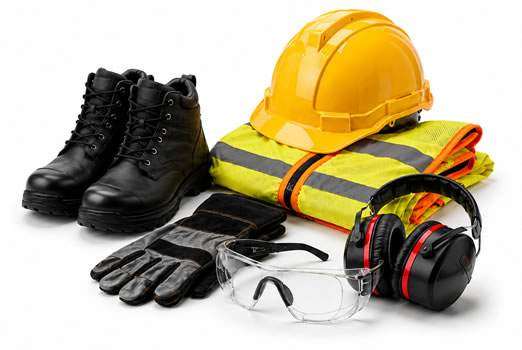
Do you bring your own PPE?
Yes. We arrive with standard PPE such as high-visibility clothing, safety footwear, hard hats, safety glasses, gloves and hearing protection where appropriate. That does not replace your own rules: we complete your site induction first and follow any site-specific PPE requirements before filming begins.
Do you complete our site induction before filming?
Yes. If your site requires an induction, sign-in, permits, escorts or other access checks, we complete them before cameras are taken into working areas. If the induction can be done online in advance, send it over and we can get that part cleared before arrival. If the film itself is for new staff, contractors or visitors, see our induction video production.
Can filming happen while the site stays operational?
Often, yes. We agree safe camera positions, exclusion zones, access windows and a sensible crew footprint with the site team. If a process needs to pause for safety or camera access, that decision is agreed with the person responsible for the site rather than being improvised during filming.
Can you work in restricted or controlled areas?
Often, subject to the site's access rules, permits, inductions and escort requirements. We agree what equipment can be taken in, where it can be positioned and whether a smaller camera and lighting package is the more practical option.
Can you work around staff, contractors, vehicles and machinery?
Yes. We plan where the crew can stand, when an area is available and how we move between activities without getting in the way. We never ask a working team to ignore its normal safety procedure just to make a shot easier.
Can filming be split across shifts or several days?
Yes. That can be the better approach when key processes, deliveries, maintenance, milestones or different teams happen at different times. Repeat visits can also use a consistent shot list and viewpoints so the footage joins together properly in the edit.
EDITING, VERSIONS AND DELIVERY
Decide where the video needs to live before we lock the frame
Websites, LinkedIn, Instagram, presentations, internal platforms and paid campaigns can all need different versions. Agreeing that early helps both the shoot and the edit. Our video editing and post-production service covers editing, finishing and final delivery.
Can you film confidential or commercially sensitive material?
Yes. Sensitive areas, products, screens, documents or procedures can be excluded or filmed only from agreed angles. We can work under a confidentiality agreement where required, restrict review access and remove sensitive material before final delivery.
Can we review the film before it is delivered?
Yes. We send a review version to the agreed contacts so factual details, terminology, names, branding and sensitive content can be checked. It is much easier when feedback is gathered into one clear set of notes before the next revision.
What aspect ratio should we plan for?
Tell us everywhere the video needs to appear before filming. A 16:9 landscape frame for a website or presentation does not always crop neatly into 9:16 vertical, 1:1 square or 4:5 social formats — particularly with interviews, two-shots, captions and graphics. If several formats matter, we can frame with those crops in mind, capture extra coverage or plan dedicated vertical shots. Leaving this decision until after filming can be a genuine stumbling block.
Can you supply several versions from the same shoot?
Yes. A project can include a landscape master, shorter social edits, vertical or square versions, captioned files and clean versions without embedded text. The best results come when those deliverables are agreed before filming, because we can capture material that works properly in each format rather than forcing one shot to do everything.
Can we have the raw footage as well?
Yes, when it is included in the agreed scope. Raw footage is a separate deliverable from the finished edit, and the transfer method depends on how much material has been recorded. We can agree what is being supplied and how it will be handed over before the shoot.
How quickly can the finished video be delivered?
We agree the editing timetable before production. A straightforward film can move quickly, while projects with several versions, graphics, captions, approvals or a large amount of footage naturally take longer. If you have a fixed launch or event date, tell us at the start so the review stages can be planned backwards from it.
A FEW USEFUL THINGS TO KNOW
We plan the production around your working day
Still got a question that is not covered here?
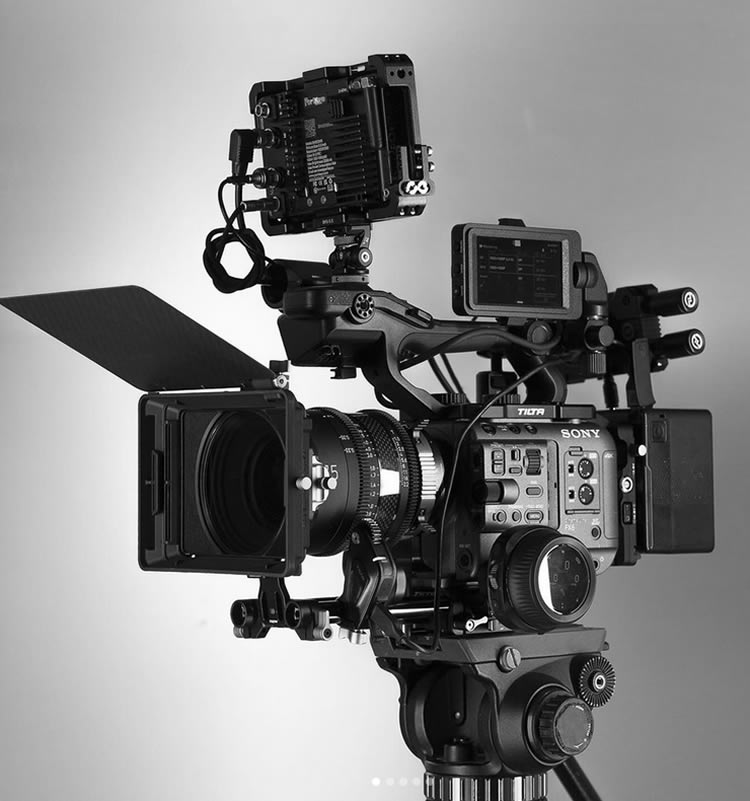
Send us the location, what you need filmed and where the finished video will be used. For a straightforward shoot, you may only need a freelance camera operator; for multi-camera or larger productions we can provide a film crew. We will recommend the setup that fits the job.