
HEALTH AND SOCIAL CARE VIDEO PRODUCTION UK
Sensitive stories. Clear information. Respectful filming.
Video production for healthcare providers, care organisations, charities, councils and public-sector teams across the UK.
Patient and service-user stories, staff training, recruitment, public information and case studies — planned around people, privacy and the real care setting.
SPECIALIST VIDEO PRODUCTION
BUILT AROUND PEOPLE AND PURPOSE
FILMING REAL CARE WITHOUT DISRUPTING IT
People, privacy and daily routines come before the production
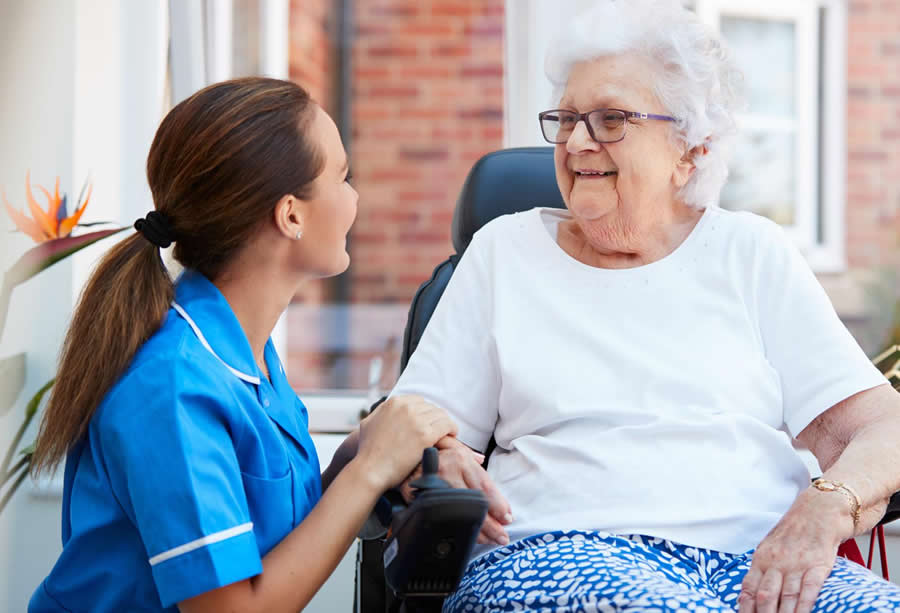
MJ Films has produced health and social care videos in active settings where the filming plan has to fit around appointments, medication rounds, shift changes, family visits and the wellbeing of the people taking part.
Projects may involve healthcare professionals, patients, care teams or vulnerable contributors. Before filming, we agree who is responsible for permissions, consent, safeguarding, factual approval and access.
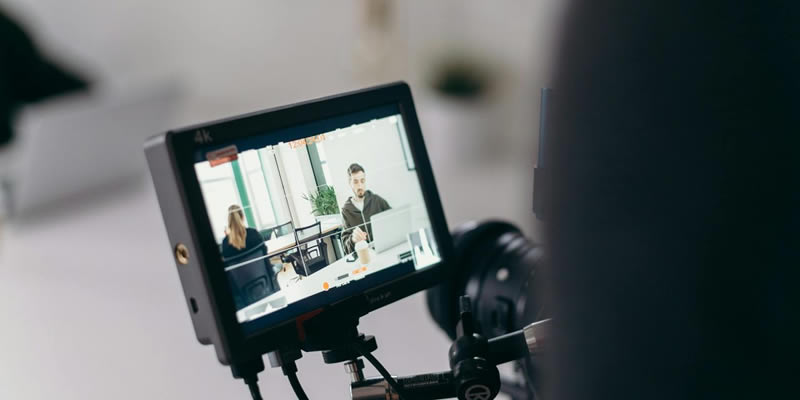
Some briefs need a compact two-camera interview setup. Others combine several contributors, observational footage, scripted guidance, voice-over, captions and versions for different audiences. The crew and equipment are scaled to the location rather than imposed on it.
Calm production. Clear responsibilities. Useful films.
HEALTH AND CARE VIDEO FORMATS
Choose the approach that fits the audience
The subject, contributor and intended use determine how the film should be made.
PERSONAL STORIES
Patient & service-user stories
Guided interviews and relevant footage that help people explain their experience in their own words.
EXPERT VOICES
Staff & specialist interviews
Clinicians, care professionals, managers and support teams filmed with clear sound and a calm setup.
GUIDANCE
Training & public information
Approved scripts, demonstrations, direct-to-camera guidance and practical films for staff, patients and families.
HEALTH AND SOCIAL CARE VIDEO EXAMPLES
Real services and specialist organisations
PLANNING AND CONSENT
Contributor welfare is part of the production plan
Before filming, we establish who may appear, what they are being asked to discuss, where the film will be shown and who within the organisation approves the content.
Your team remains responsible for its consent, safeguarding, confidentiality and clinical-governance procedures. We work within those arrangements and adapt the schedule, crew size and interview method accordingly.
Contributors can receive themes or questions in advance. We avoid pressuring people to perform, allow pauses, repeated answers or breaks, and can work with a support worker, family member or appropriate staff member nearby where agreed.
For scripted guidance, training or public information, we can work from approved wording and use autocue where precise delivery matters. For personal stories, a guided interview normally gives people more room to speak in their own words.


FILMING IN LIVE CARE SETTINGS
Work around people, routines and privacy
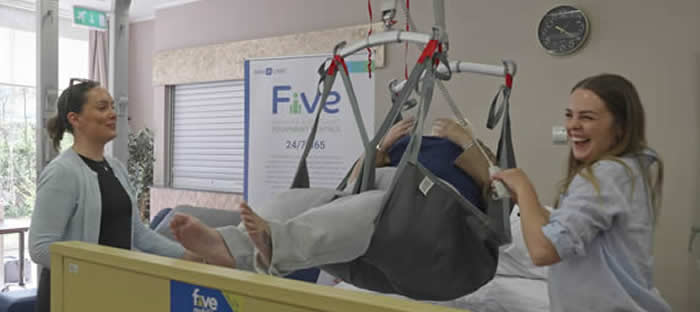
Filming can take place in hospitals, clinics, care homes, supported-living settings, community centres, offices or a person's home. We assess access, sound, available space, lighting, infection-control requirements and the time available with each contributor before setting up.
A compact crew is often the right choice. Two cameras can give the edit flexibility without filling the room with equipment, while radio microphones and controlled lighting help us work cleanly in spaces that were not designed as studios.
Where daily activity is included, we agree what can be shown and when. Staff interaction, facilities, equipment, training, community activity and general atmosphere can be filmed while avoiding confidential information or anyone who has not been cleared to appear.
HOW IT WORKS
A calm route from brief to approved film
The process stays simple, but the consent, access and approval responsibilities need to be clear from the start.
Six stages
01 Define the audience and outcome.
02 Agree permissions and safeguarding.
03 Prepare contributors and locations.
04 Film interviews and approved activity.
05 Review facts and edit.
06 Deliver captions, branding and useful versions.
Plan the location and contributors
Choose a suitable room. Use the largest quiet room available and identify a fallback.
Protect private areas. Mark rooms, records, screens, photographs or people that must not be filmed.
Plan around the service. Appointments, medication rounds, meals, shift changes and visits should shape the schedule.
Confirm access. Security, infection control, parking, loading, PPE, site briefings or staff escorts should be known before arrival.
Allow setup time. A carefully lit interview normally needs around 60 to 120 minutes, though a compact setup can be quicker.
Prepare contributors. Explain the purpose and audience, share themes, identify support needs and make clear that filming can pause or stop.
HEALTH AND SOCIAL CARE VIDEO PACKAGES
How much does health and social care video production cost?
Focused interview or information filming typically starts from £895, covering a professionally lit two-camera shoot with clear sound. A fuller production including supporting footage and a finished edit usually starts from £1,300 plus travel.
Budgets increase where the brief involves several locations, a larger crew, actors, studio hire, animation, translation, detailed graphics, extensive accessibility work or a series of separate films.
Every project is quoted individually before filming begins.
FROM £895 + TRAVEL
Care Interview Filming
✔ Up to 4 hours on location
✔ Two 4K cameras
✔ Professional lighting and sound
✔ Calm contributor direction
✔ Organised footage supplied
FROM £1,300 + TRAVEL
Care Story + Supporting Footage
✔ Up to 8 hours on location
✔ Interviews and relevant supporting footage
✔ Professional editing
✔ Captions, names and branding
✔ Review and revisions
RECENT CLIENTS
Organisations we have worked with
Commercial, public-sector, education, healthcare, construction and media work across a wide range of production environments.
HEALTH AND CARE FILMING ACROSS THE UK
Travel-ready production planned around the setting
WALES & SOUTH WEST
Wales, Bristol & the South West
Care organisations, charities, public services and community projects.
LONDON & THAMES VALLEY
London, Oxford & the Thames Valley
London →
Oxford & Thames Valley →
Healthcare providers, charities, medical, research, care and public-information projects.
MIDLANDS & WEST
Birmingham, Gloucestershire & the Cotswolds
Birmingham & Midlands →
Gloucestershire & Cotswolds →
Care providers, specialist services and community organisations.
NORTH & SCOTLAND
North West, Yorkshire & Scotland
North West →
Yorkshire →
Scotland →
Travel-ready filming for health, care and charity projects.
HEALTH AND SOCIAL CARE VIDEO FAQ
Consent, care settings, factual review and accessible versions
How do you handle consent and safeguarding?
The client organisation confirms its consent, safeguarding and confidentiality process. We work within that process, record only approved contributors and adapt the filming method to any support needs agreed in advance.
Can you film in a working care setting?
Usually, yes. We plan around appointments, routines, staff availability, infection-control requirements and private areas, then keep the crew and equipment proportionate to the location.
Can a contributor pause or stop filming?
Yes. We explain the process, allow breaks and repeat questions where needed. A contributor can pause or stop, with the client’s appropriate staff or support person involved where agreed.
Who checks clinical or factual information?
Your nominated subject lead reviews clinical statements, terminology, names and approved on-screen information. We make the agreed factual changes before final delivery.
Can one shoot create several versions?
Yes. A filming day can produce a main film, shorter interview extracts, staff versions, social clips, subtitled edits and still images where these are included in the brief.
Do you provide captions and accessible versions?
Yes. We can supply open or closed captions, clear name titles, clean transcripts, alternative aspect ratios and separate language or voice-over versions where required.
PLANNING A HEALTH OR SOCIAL CARE FILM?
Tell us who needs to watch it, who may appear and where filming would take place
We will suggest a practical production approach that fits the contributors, care setting, approval process and finished outputs.