
SITE VIDEO PRODUCTION UK
Construction site filming, planned around the work.
Video and photography for active developments, project teams and live working schedules across the UK. Coverage can include progress updates, case studies, drone footage, social edits and organised archive material.
SITE FILMING AND PHOTOGRAPHY
Construction Progress Capture
✓ Site progress photography
✓ Rapid response video unit
✓ Project interviews and case studies
✓ Raw footage captured for your archive
✓ Short edits for social media and updates
✓ Drone filming and aerial photography
✓ Coverage planned around live site activity
✓ 24/7 availability for time-critical site work
SITE-READY PRODUCTION
AN EXPERIENCED,
SITE-READY CREW
Construction and industrial filming is rarely about controlling the location. It is about understanding where the crew can safely work, what happens next and which moments cannot be repeated.
We bring standard PPE, follow site rules and work around inductions, escorts, restricted areas, shift patterns and operational priorities. Night road works, moving plant, deliveries, sensitive operations and short access windows can all be planned around the site programme.
We also work directly with marketing and communications teams to define the audience, the useful shots and the outputs needed before cameras arrive. For multi-site or repeat programmes, the same filming approach can keep interviews, progress views and deliverables consistent.
If a camera position becomes unsafe or interferes with the operation, the shot changes — not the site.
WHAT THE CAMERA DAY CAN COVER
RECORD THE WORK THAT MATTERS
Construction progress & milestone visits
Film visible change and completed phases rather than arbitrary calendar dates, with repeat viewpoints where useful.
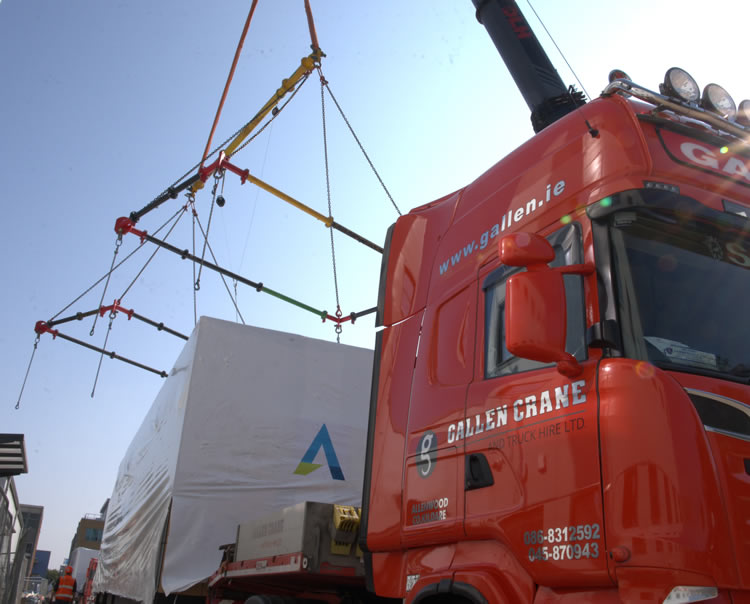
Installations, lifts & engineering operations
Prioritise work that cannot be repeated: lifts, commissioning, road works, equipment installation and specialist operations.
Project interviews & case studies
Put project managers, engineers, contractors, clients and site teams on camera while the pictures show the evidence.
Site photography & project records
Capture stills alongside video for reports, tenders, websites, internal updates and project archives.
Aerial context & drone coverage
Where conditions allow, aerial footage can show access, scale, logistics and surrounding infrastructure more clearly than ground coverage alone.
WHAT CLIENTS SAY
For site work, the useful feedback is usually about preparation, safety, flexibility and whether the material is actually easy for the project team to use afterwards.
SAMPLE TESTIMONIAL — REPLACE WITH A VERIFIED CLIENT QUOTE BEFORE PUBLISHING
“MJ Films worked around a live construction programme without slowing the site down. The crew understood the safety constraints, captured the critical stages and delivered organised footage our project and communications teams could use straight away.”
UK construction contractor — Bristol
MAKE ONE SITE VISIT WORK HARDER
ONE VISIT CAN CREATE MORE THAN A PROGRESS UPDATE
The best value comes from deciding the wider purpose before filming, while the people, machinery and access are already available.
Capture the milestone
Record lifts, deliveries, installations and work that may be concealed or look completely different next week.
Add aerial context
Where permissions and conditions allow, show scale, access and how different parts of the site connect.
Put project expertise on camera
Let site managers, engineers, contractors and clients explain what changed and why it matters.
Build a reusable archive
Keep useful footage organised by date and construction stage so it can support later updates, tenders, recruitment or the final case study.
WORKING INSIDE LIVE OPERATIONS
THE FILMING PLAN HAS TO FIT THE SITE PLAN
We work around inductions, escorts, restricted areas, shift patterns, moving plant, deliveries and operational priorities. Confidential material can be limited to agreed areas and handled in line with an NDA or project-specific restrictions.
Standard site PPE is carried for construction and industrial assignments. Specialist or task-specific PPE should be flagged before the shoot.

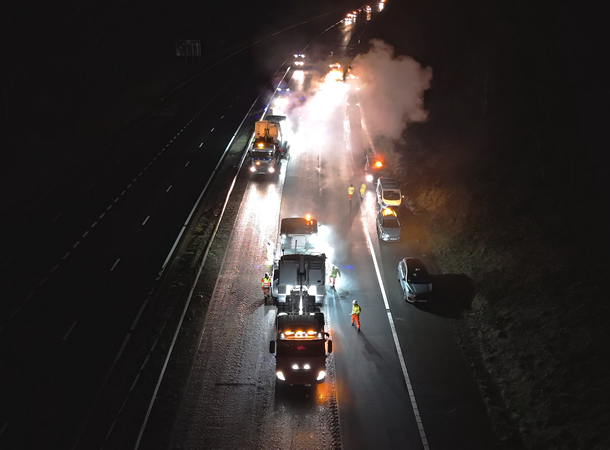
NIGHT WORK
Night & possession work
Coverage can be planned around overnight works, closures, short access periods and time-critical operations.
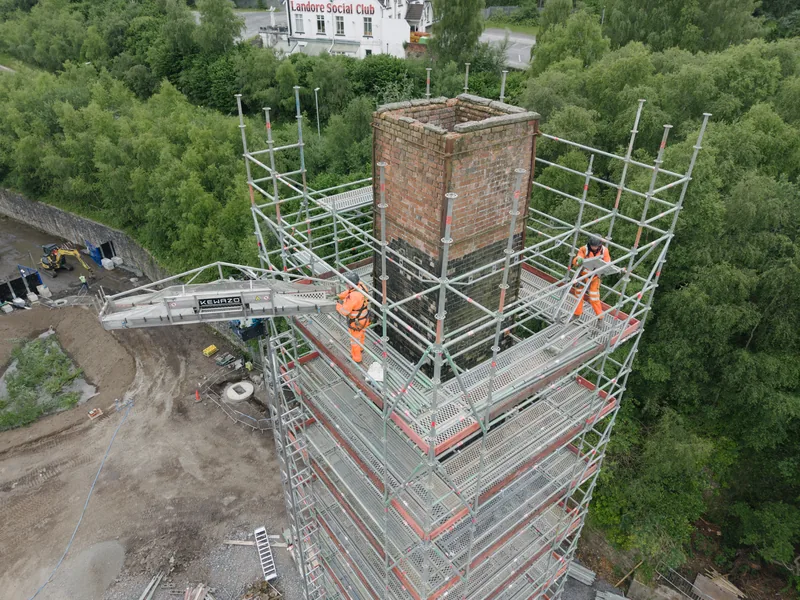
HIGH-SECURITY SITES
Industrial & high-security environments
Access, confidentiality and restricted viewpoints can be agreed before filming so the camera stays where it is allowed to be.
HEALTH & SAFETY PROJECTS
Site safety video case studies
See how we have approached safety filming across three very different working environments.
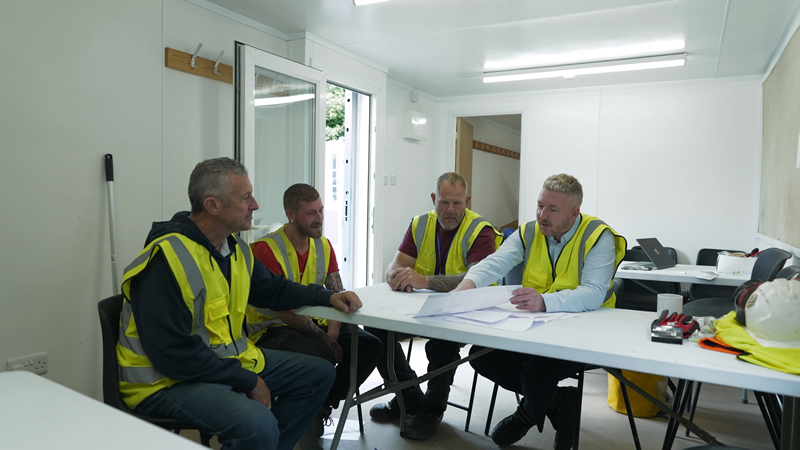
Construction site visitor / new starter video
Storyboard planning and additional filming on a live construction site in Hull to complete a visitor and new-starter safety film.
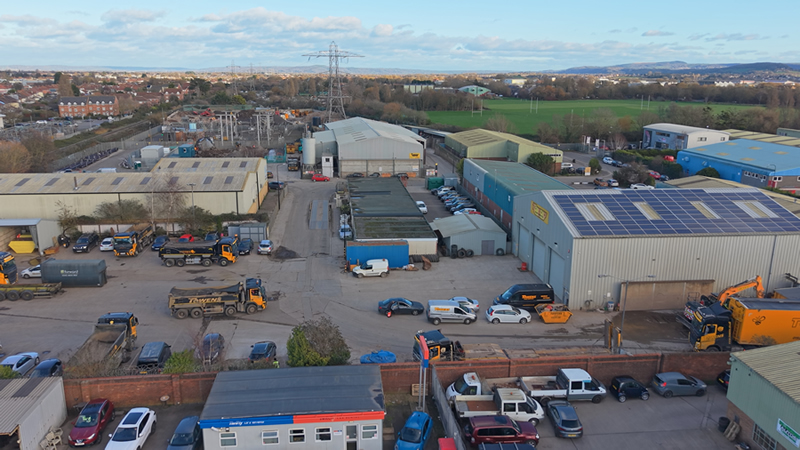
Waste recycling visitor & driver safety video
Filming vehicles, operatives and working procedures at a busy recycling facility in Weston-super-Mare.
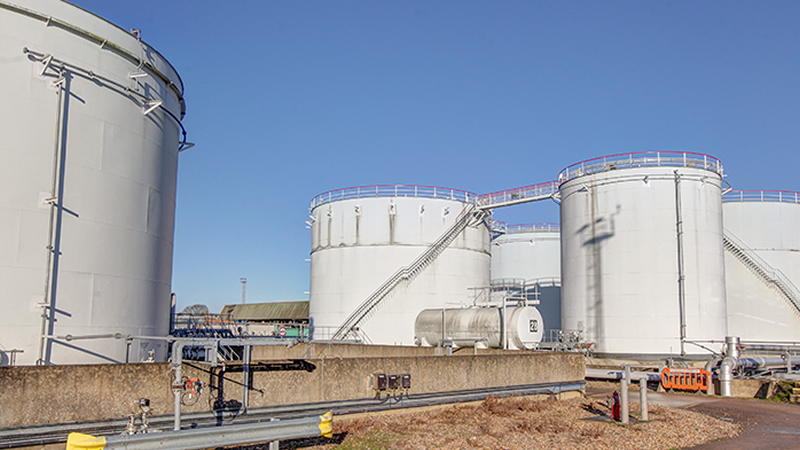
Oil depot visitor safety induction video
Filming controlled access, demonstrations and audience-specific safety content at an operational oil depot in Cardiff.
RECENT SITE FILMING EXAMPLES
Different sites need different kinds of coverage
Progress, recruitment, highways and induction work each need a different shot list. The coverage follows the purpose rather than forcing every site into the same format.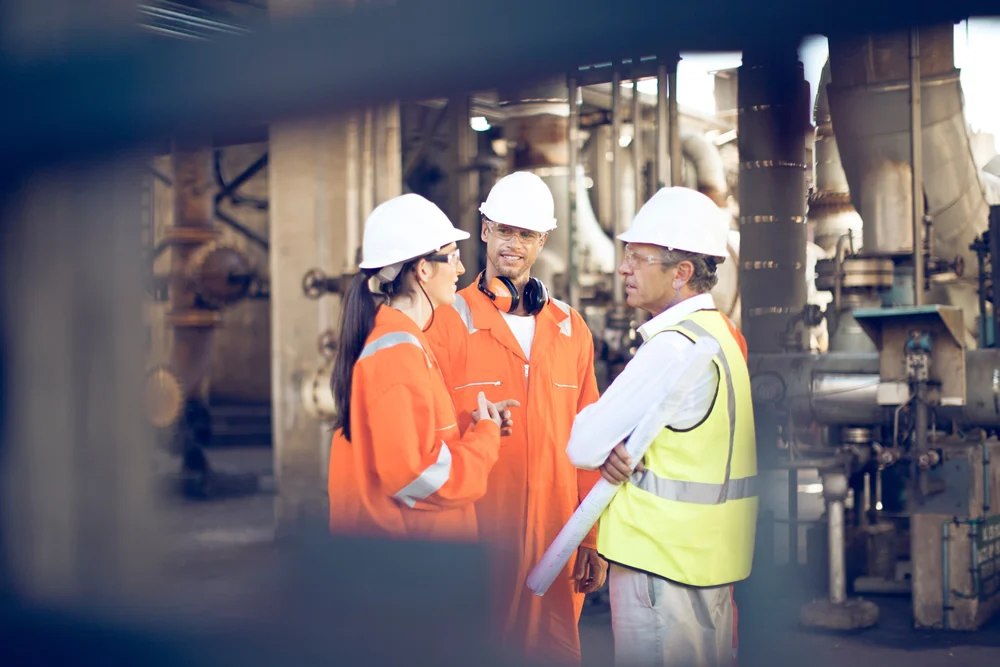
REPEAT VISITS & PROGRESS FILMING
CHOOSE FILMING DATES AROUND VISIBLE CHANGE
Groundworks, structural completion, a major lift, equipment installation, first operation or handover are often more useful filming points than a fixed monthly date.
For repeat coverage, reference viewpoints, shot directions and framing notes can stay consistent so later material compares clearly with earlier visits. Files can be organised by date and construction stage for individual updates and the long-term archive.
Work that will later be hidden is particularly worth planning for. Once a ceiling, enclosure, cladding system or finished surface covers it, the opportunity may be gone.
LONG-TERM SITE RECORDS
Timelapse and scheduled filming can work together
A fixed view shows overall transformation. Filmed visits capture interviews, close work, major lifts and detailed operations that a distant camera will miss.AERIAL CONTEXT FOR SITE PROGRESS
HIGH-END DRONE FILMING SERVICES
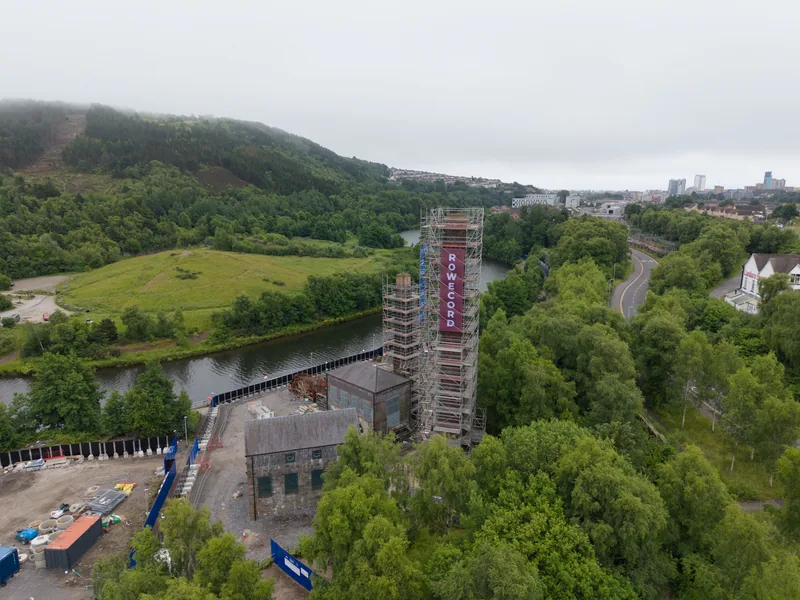
Drone footage is most useful when it has a specific job: show scale, route, proximity, progress or the relationship between separate parts of the site.
For repeat visits, a few practical reference directions can make progress easier to compare. Every flight still depends on airspace, weather, nearby people and structures, site activity and permissions.
UK COVERAGE
ONE CREW APPROACH ACROSS REGIONAL & MULTI-SITE PROJECTS
For multi-site work, the same filming approach can keep interviews, progress views, framing and deliverables consistent from one location to the next.
London, Oxford & the South East
London, Oxford, Reading & Berkshire, Southampton and Bournemouth.
Midlands, Manchester & the North
Birmingham and the Midlands, plus Manchester and wider northern projects.
Scotland & multi-site work
UK-wide programmes can extend to Edinburgh & Scotland, keeping a common visual approach across several sites.
RECENT CLIENTS
ORGANISATIONS WE HAVE WORKED WITH
Commercial, public-sector, education, healthcare, construction and media work across a wide range of production environments.
SITE FILMING FAQ
Practical questions before the camera crew arrives
Access, safety, timing, noise, programme changes, repeat visits, drone planning and what happens to the material afterwards.
What should we send before you plan the shoot?
The most useful starting information is the site location, preferred date or work window, what will actually be happening, the people who may need to speak on camera and the outputs you want afterwards. Also flag induction requirements, access restrictions, mandatory PPE, parking or unloading arrangements, restricted areas and the site contact who can make decisions on the day. A programme, method overview or simple marked-up site plan can be useful when the work is spread across a large area.
Can you film while the site stays operational?
Yes, provided there is a safe way to do it. We plan camera positions and movement around the site team rather than asking live operations to stop for routine shots. The site manager or authorised contact controls where the crew may work, and any safety instruction takes priority over the shot list. If access to an area changes during the day, we adapt the coverage.
Do you bring your own PPE?
We carry standard PPE for construction and industrial assignments. If your site requires specialist, task-specific or branded PPE beyond normal kit, tell us before the shoot so it can be arranged. Site-specific rules still apply, and any induction or permit requirements should be built into the call time rather than treated as filming time.
Do we need to arrange an induction or escort?
If your site requires an induction, security clearance, permit, escort or accompanied access, that normally needs to be arranged by the client or site team. We are happy to attend the required briefing before filming begins. For secure sites, it also helps to agree in advance which areas, processes, screens or documents must stay out of shot.
Can you work nights, shutdowns or short access windows?
Yes. Site filming can be planned around night work, shutdowns, closures, possessions, deliveries or specialist operations that only happen inside a short window. The schedule should identify the activity that cannot be repeated so we are ready before it starts. Where additional lighting is needed, it is positioned so it does not interfere with safe working, signals, vehicle movements or the site team.
Can you record interviews on a noisy industrial site?
Usually, but the interview position matters. We look for a quieter space close enough to retain the site context without putting speech directly beside running plant, alarms or heavy traffic. Radio microphones and directional microphones help, but they cannot remove every source of noise. If a process is exceptionally loud, it is often better to record the interview during a quieter window and film the operation separately.
What happens if the programme changes on the filming day?
The work programme takes priority. We can change the shot order, move interviews or use waiting time to cover other parts of the site. If the one operation the film depends on slips beyond the agreed filming window, that may need a return visit rather than pretending routine footage tells the same story. Identifying the critical activity before the shoot makes these decisions much easier.
How often should a long project be filmed?
Film when there is something worth comparing. Major milestones, work that will soon be concealed, key lifts, deliveries, installation stages, commissioning and handover are usually more useful than choosing a date simply because another month has passed. Where regular reporting is required, we can still use a repeat shot list and reference viewpoints so each visit creates a clear visual record.
Can you match the same viewpoints on repeat visits?
Where the site allows it, yes. We can record reference positions, framing, direction and other shot notes so later footage relates to earlier material. Drone views can also be planned with repeatability in mind, although every flight still depends on the airspace, weather, people, structures and site activity on that particular visit.
Should we keep the raw footage as well as the finished edits?
For long projects, an organised source archive can be very useful. Material captured for an early progress update may later support the final case study, a tender, handover presentation, recruitment film or internal review. We can supply clearly organised source files by date or stage when that is part of the brief. Once delivered, the client should keep its own project archive rather than relying on a future edit to recover old material.
Can ground filming and drone footage be captured on the same visit?
Often, yes. Keeping aerial and ground coverage within the same production can make the final edit more coherent and avoids briefing separate crews. The drone element is still a separate operation and is only flown when the location and conditions allow it. If the aircraft cannot fly, interviews and ground coverage can normally continue rather than losing the entire filming day.
How much can one site visit produce?
That depends on what is agreed before filming. A single visit might create a progress update, interview-led case study, short social clips, photography and an organised raw archive, but each output needs its own coverage and edit decisions. It is better to identify the priority deliverables first than capture a large amount of footage and decide what it was for afterwards.