
HEALTH & SAFETY VIDEO PRODUCTION UK
Turn approved procedures into something people can actually follow.
Site-specific safety films for staff, contractors, drivers and visitors — built around your approved procedures, real locations and practical demonstrations.
We plan around live operations, access, PPE, restricted areas and the people responsible for the site, then turn the approved information into a clear visual sequence people can understand before they start work or enter the premises.

BUILT AROUND YOUR RULES
Site-specific, not generic safety footage
Routes, PPE, hazards, demonstrations, emergency information and role-specific instructions can all be filmed in the actual environment people will recognise.

MAKE THE INFORMATION VISUAL
Show what people actually need to recognise and do
The useful part of a safety film is not that a rule has been read aloud. It is that the viewer can recognise the place, action, equipment or sequence when they encounter it for real.
Show the action, not just the rule
People understand procedures more quickly when they can see the route, equipment, PPE, safe position or correct sequence rather than hearing instructions over generic footage.
Make hazards recognisable
If a hazard only exists in one part of the premises, show the actual area, machinery, crossing point or exclusion zone so viewers recognise it when they arrive.
Separate core rules from role-specific detail
Everyone may need the same emergency, PPE and reporting information while drivers, contractors, visitors or supervisors need extra instructions.
Use video as the consistent starting point
A film can reduce repeated explanations while supervisors, toolbox talks, risk assessments and the opportunity to ask questions remain part of the live safety process.
Plan for future changes
Logical chapters make it easier to update procedures, contacts, routes or demonstrations later without rebuilding the whole programme.
HEALTH & SAFETY PROJECTS
Site safety video case studies
See how we have approached safety filming across three very different working environments.
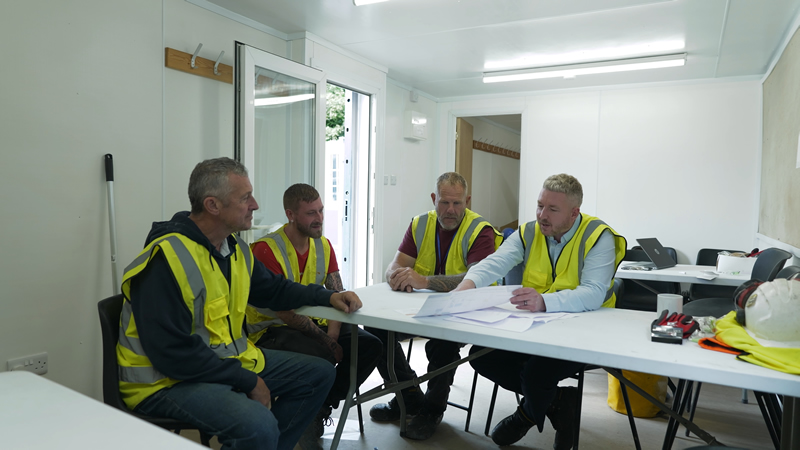
Construction site visitor / new starter video
Storyboard planning and additional filming on a live construction site in Hull to complete a visitor and new-starter safety film.
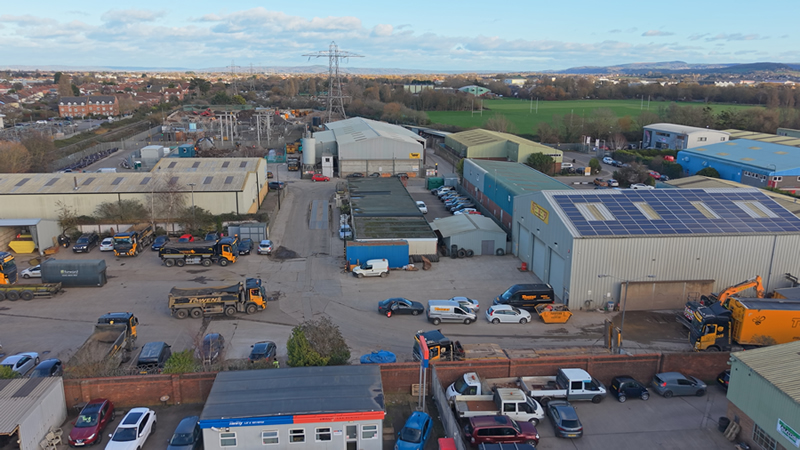
Waste recycling visitor & driver safety video
Filming vehicles, operatives and working procedures at a busy recycling facility in Weston-super-Mare.
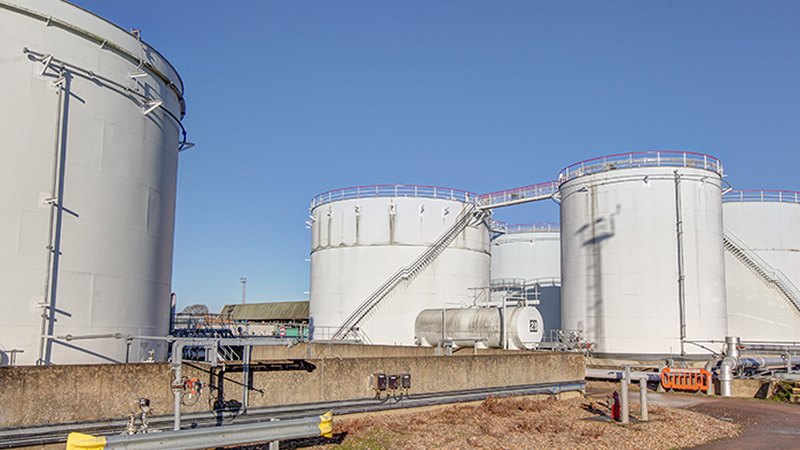
Oil depot visitor safety induction video
Filming controlled access, demonstrations and audience-specific safety content at an operational oil depot in Cardiff.
PRODUCTION APPROACH
Arrive with the filming order already thought through
Safety filming works better when access, operations, demonstrations and audience versions are planned before the cameras reach the gate.
Plan before we travel
Photos, plans, existing material and a live phone walkthrough can turn the approved information into a practical shot list before the crew travels.
Keep the crew proportionate
Many projects suit a self-shooting director handling camera, lighting and sound, with extra crew added only where the site or brief genuinely needs them.
Film around operations
Routes, demonstrations and camera positions can be planned around permits, escorts, shift patterns, deliveries and the people using the site.
One shoot, several audiences
Core material can be shared across staff, contractor, driver and visitor versions when the approved information overlaps.

APPROVED INFORMATION FIRST
Focus on the actions people need to take
Your approved procedures, risk assessments, site plans, safety information and existing training material are the source. The production job is to turn that information into something people can follow visually — not to invent how the operation should work.
Core information can be separated from guidance that only applies to certain roles, areas or tasks, keeping the main programme clear while allowing versions for contractors, drivers, visitors, supervisors or departments.
For onboarding and site-entry projects, see visitor & new starter video production →
For technical subjects, the responsible manager can be involved during editing so terminology, demonstrations and sequencing are checked before approval.
PRACTICAL CHECKLIST
What should the film cover?
✓ Purpose, audience and areas covered
✓ Main hazards and who may be affected
✓ PPE, permits and required checks
✓ Safe working methods and prohibited actions
✓ Machinery, vehicles and restricted zones
✓ Manual handling and task-specific procedures
✓ Emergency alarms, evacuation and assembly points
✓ First aid, incident reporting and key contacts
✓ Environmental, hygiene and welfare requirements
✓ Role-specific demonstrations and responsibilities
✓ Final checks, confirmation of understanding and where to ask questions
CHOOSE THE FORMAT
Use the presenter, footage and structure that suit the information
A safety film can be led by staff, a professional presenter, an actor or voice-over. Practical demonstrations, maps, screen recordings, still images, graphics and captions can be combined as needed.
Standard site PPE such as safety footwear, high-visibility clothing, helmets and eye protection can be brought where required, while site-specific PPE rules remain set by the client.
Staff-led
Use real employees when familiarity and recognisable procedures matter, with the responsible team checking the technical detail.
More infoPresenter or actor
Useful when employees are unavailable, prefer not to appear, or a procedure needs to be demonstrated consistently.
More infoVoice-over led
Combine a professional voice with real site footage, maps, demonstrations, screen recordings, graphics and captions.
More infoChapter-based
Split longer programmes into focused sections so information is easier to revisit and specific procedures can be updated later.
More infoBEFORE WE TRAVEL
Send the practical details
Site address, parking and access
Photos or phone walkthrough
Existing policies, plans or scripts
Audience and role types
Preferred filming window / shifts
Escorts, permits or specialist PPE
Review and approval contacts
FILMING ACROSS WALES AND THE UK
We arrive on site with a plan
A separate in-person recce is not always necessary. For many projects we can use photographs, plans, risk assessments, existing safety material, previous footage and a live phone walkthrough to understand the premises before travel.
That helps identify camera positions, access, parking, PPE, likely sound problems, the order of the day and who needs to be available. More controlled or complicated sites can still justify an in-person recce.
Wales, Bristol & the South West
Wales including Cardiff, Swansea, Newport and wider regions; plus Bristol, Bath, Gloucestershire, Somerset, Wiltshire, Devon and Cornwall.
London, Oxford & the South East
London, Oxford, Berkshire, Surrey, Kent, Sussex and surrounding counties, with remote planning where a separate recce would add unnecessary travel.
Midlands, Manchester & the North
Birmingham, Coventry and the Midlands; Manchester, Liverpool and the North West; plus Yorkshire and the North East.
South Coast, Scotland & multi-site projects
Southampton and the South Coast, Scotland and other UK locations. Multi-site projects can keep common chapters consistent while filming local routes, hazards, contacts and demonstrations separately.
FILMING AROUND REAL WORK
Keep the crew appropriate to the site
Many health and safety projects do not need a large film crew. A self-shooting director can handle camera, lighting and sound for suitable jobs, with extra camera, sound or lighting support added where the scale or controls make it worthwhile.
The equipment follows the shot list and the site. A larger production may need several cameras, tripods, lights and microphones; a restricted area may be better served by a compact kit that can be carried safely without filling the workplace with equipment.
Demonstrations, presenters, equipment, routes, machinery and processes can be filmed around production, deliveries and shift patterns, subject to the people responsible for the workplace.
TECHNICAL REVIEW
Review complicated subjects with the responsible expert
For technical material, the training manager or subject expert can review terminology, demonstrations and sequencing during the edit. Immediate input can reduce long remote revision rounds.
What our clients say
RECENT CLIENTS
Organisations we have worked with
Commercial, public-sector, education, healthcare, construction and media work across a wide range of production environments.
HEALTH & SAFETY VIDEO FAQ
Questions clients ask before we film
Planning the site properly usually answers most production questions before we travel.
Plan a
health & safety
video
Send the site location, audience, existing policies, script or slides, preferred filming window, access requirements, PPE information and the person responsible for approving the technical content.