
ON-SITE INDUCTION VIDEO PRODUCTION UK
Site induction video production filmed at your workplace
Give staff, contractors, drivers and visitors a clear picture of what to expect before they arrive. We film your actual workplace, procedures and demonstrations to create an induction built around your site.
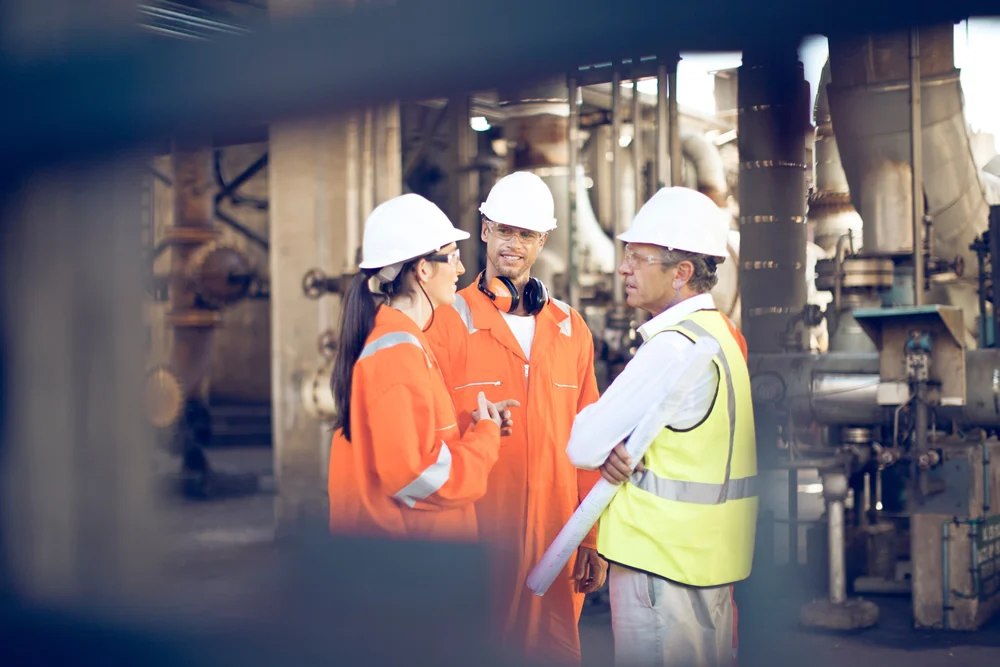
ON-SITE SHEQ INDUCTION VIDEO
Film once, use forever
We film the real routes, procedures and demonstrations people need to understand before they arrive.
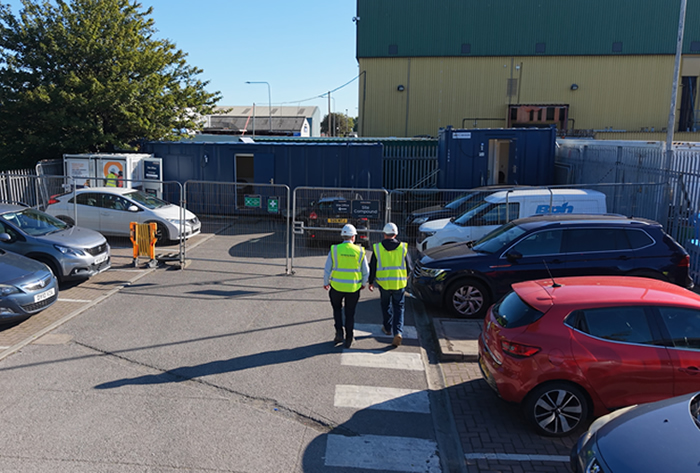
STANDARD PACKAGE FROM
£2,500
Fully bespoke to your site, with a dedicated filmmaker working directly with you throughout the project. A practical starting point for a professionally filmed and edited site induction.
USB copy available
Useful where a physical handover is preferred.
DVD copy available
Handy when disc delivery is still required.
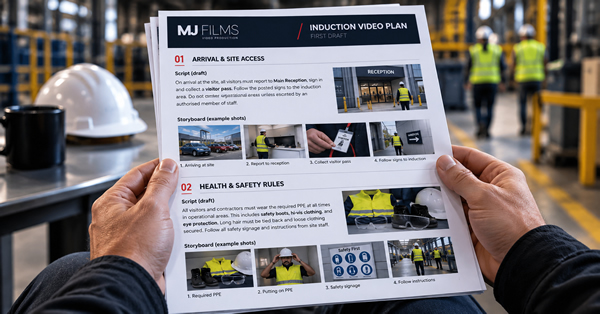
FREE INDUCTION VIDEO PLANNER
Not ready for a quote yet? Plan it first.
If you're still deciding what your induction needs to cover, use our free planning tool before making an enquiry.
Choose the sections relevant to your workplace, add your site-specific information and build a first-draft script, storyboard, shot list and filming plan.
You can save the plan for your own team, refine it internally or send it to MJ Films when you're ready to discuss production.
Already know what you need? Use the project enquiry form further down this page instead.
Six things worth deciding before filming
Get the script right first
Fix structure and gaps before voice-over and filming.
Choose how visual it needs to be
More locations and demonstrations usually mean more filming time.
Don't overload the screen
Decide what people need to watch, read or simply hear.
Plan around your workforce
Arrange staff or actors before the filming day.
Bring SHEQ in early
Approve terminology and procedures before filming starts.
Allow for pickup shots
A short return visit can solve gaps found in the first edit.
PREVIOUS INDUCTION PROJECTS
Induction video case studies
See how we have approached induction filming across three very different working environments.
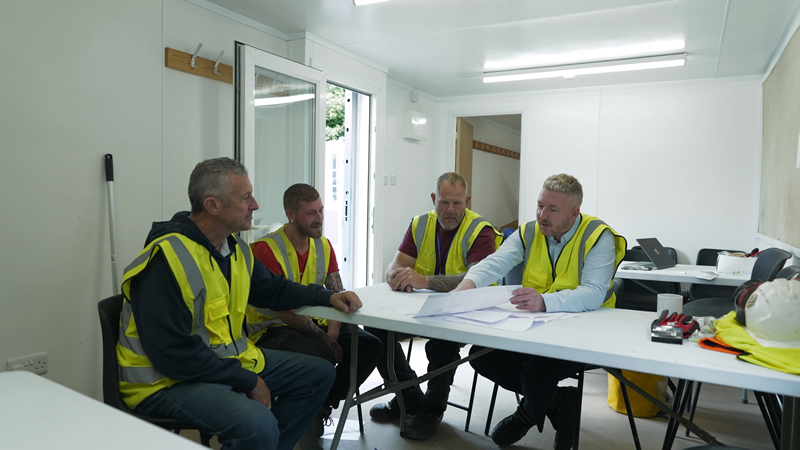
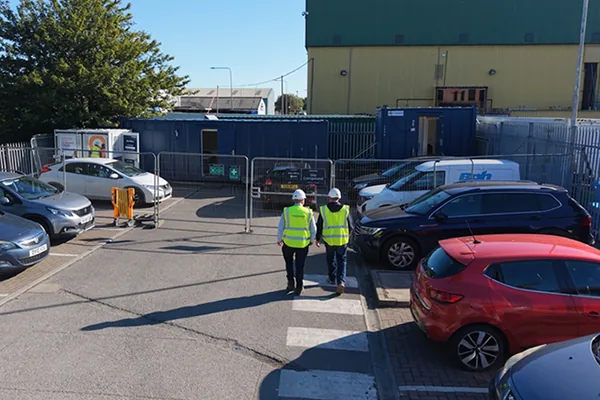
Construction site induction
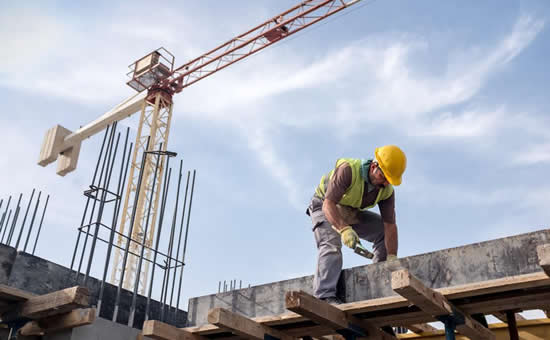
Storyboard planning and additional filming on a live construction site in Hull to complete the induction properly.
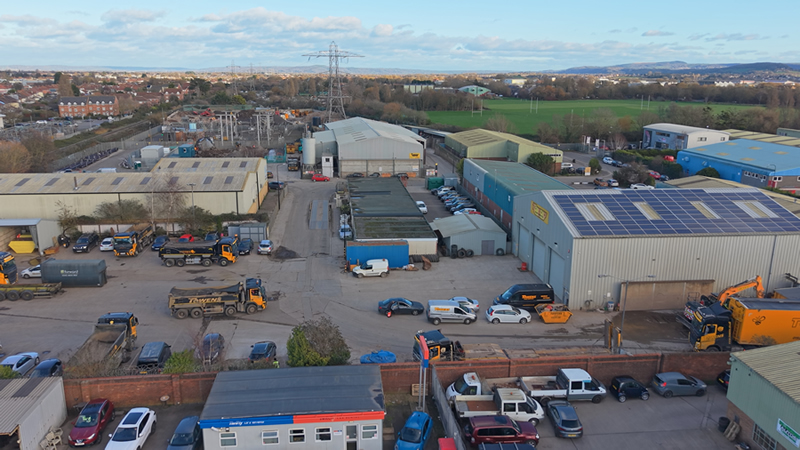
Waste recycling site induction
Filming real routes, vehicles, operatives and working procedures at a busy recycling facility in Weston-super-Mare.
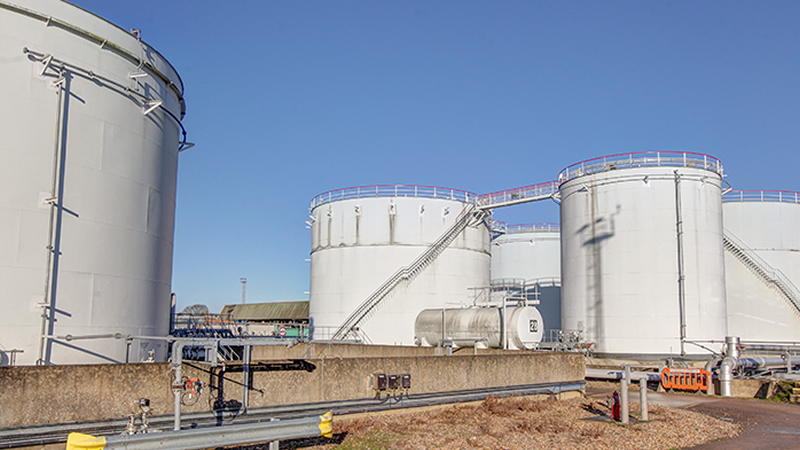
Oil depot induction
Filming controlled access, demonstrations and audience-specific induction content at an operational oil depot in Cardiff.
TYPICAL MODULES
BUILT AROUND YOUR SITE AND POLICIES
Typical induction video topics we cover
Each induction is tailored to your site, your risks and your approved training material. These are some of the subjects we can film and illustrate.

✓
Site arrival
& access

✓
Sign-in &
site rules
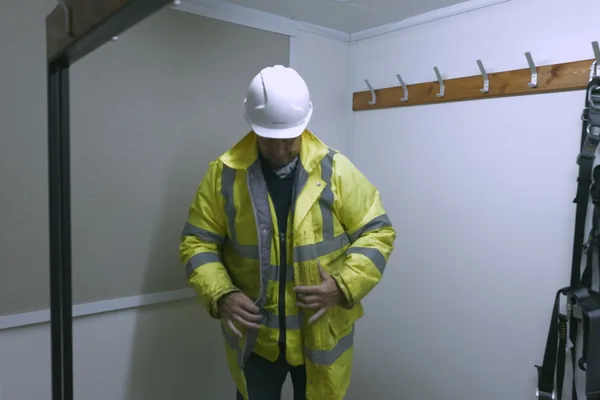

✓
PPE &
restricted areas
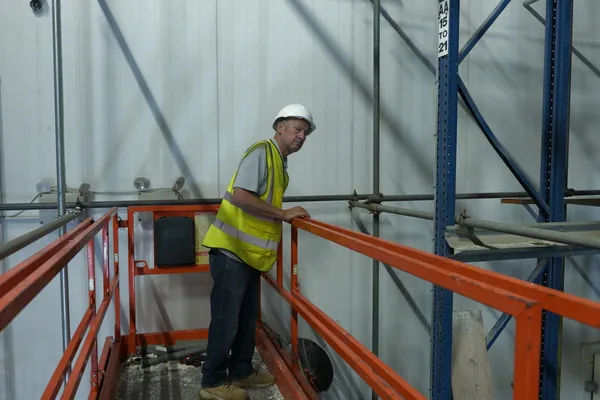

✓
Working
at height
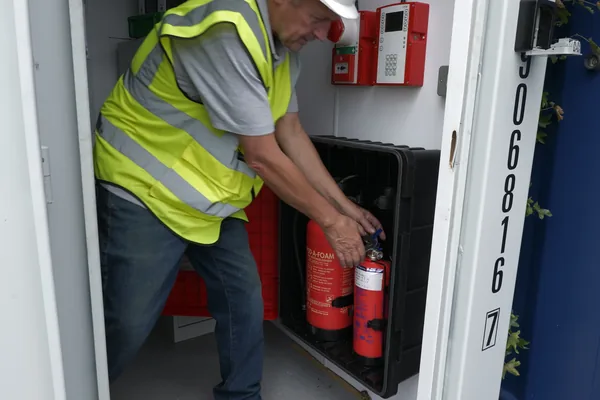

✓
Fire safety &
evacuation


✓
First aid &
reporting
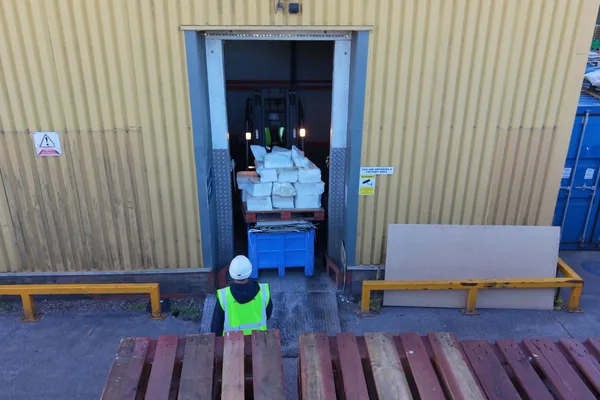

✓
Vehicle /
plant awareness
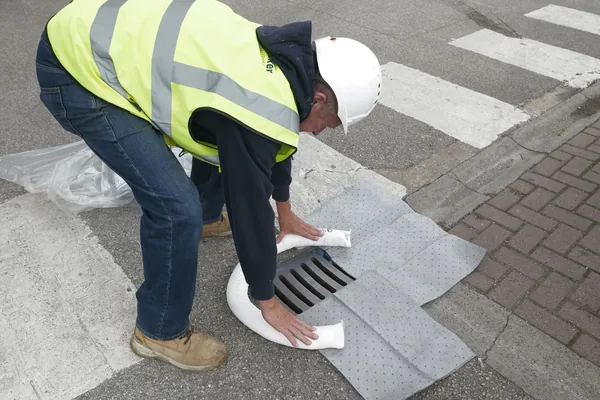

✓
Spillages &
environment
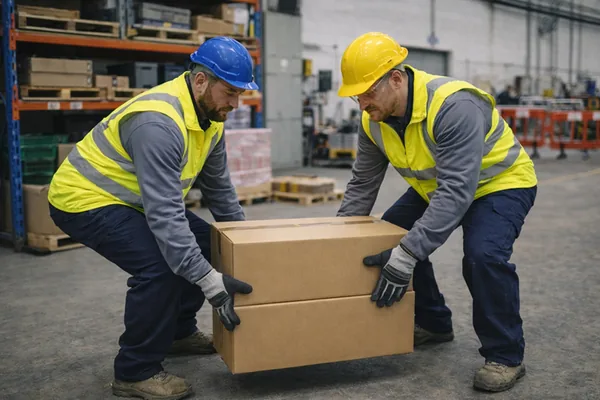

✓
Manual
handling
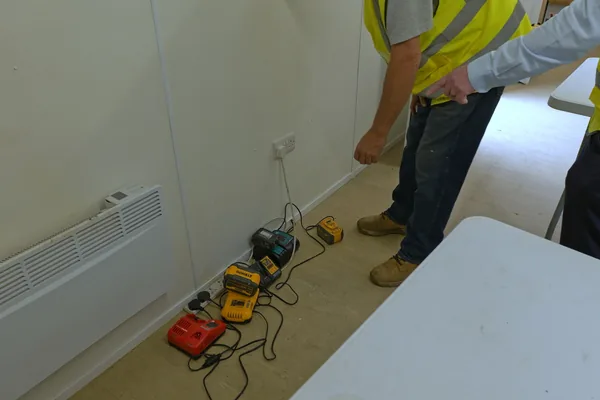

✓
Hazards &
incident reporting
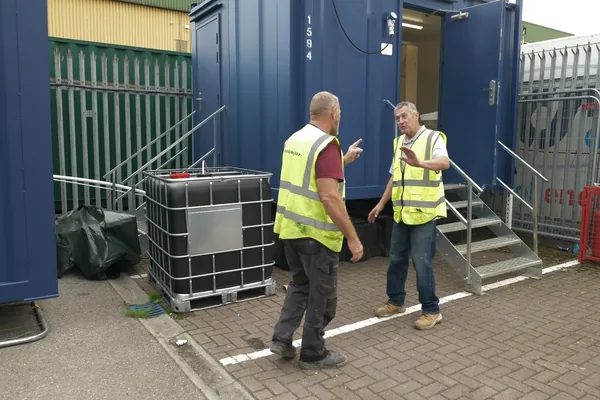

✓
Harassment &
bullying

✓
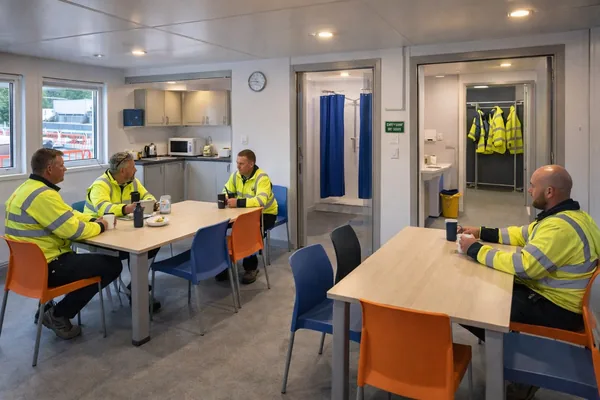
Welfare
facilities

✓
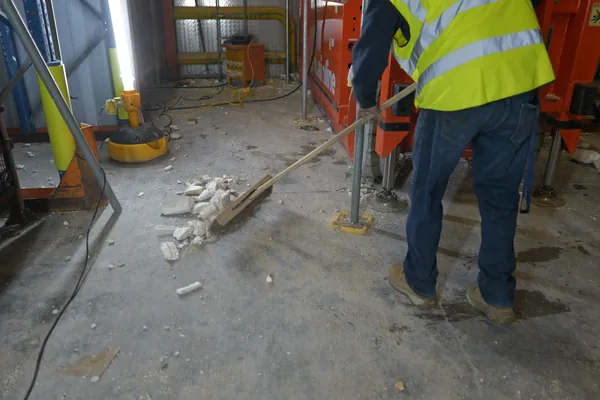
Housekeeping &
work areas

✓
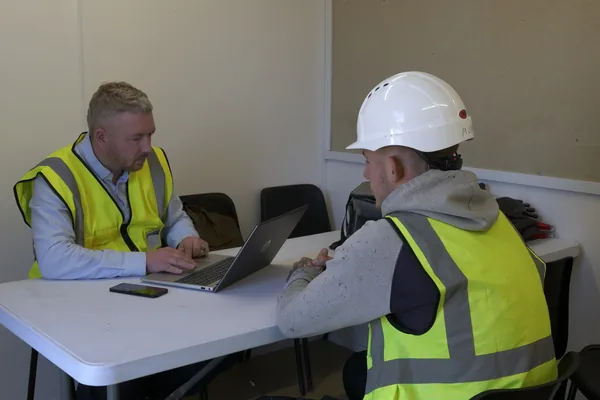
Who to
talk to

✓
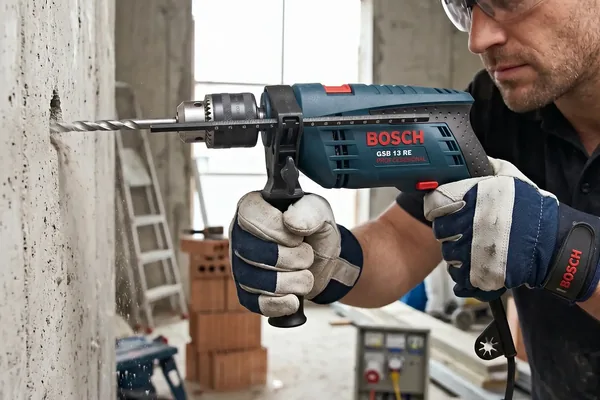
Role-specific
procedures
The exact content is based on your approved induction material, site risks and the needs of your workforce.
WHAT WE CAN PROVIDE
Build the production around the site
Use the parts of the service you need, from the first script discussion through filming, edit and final delivery.

✓ Script and shot-list planning
Structure the content before filming so the day is built around the scenes we actually need.
See our production process →
✓ Professional site filming
Camera, sound and lighting scaled to the location, access and working environment.
See operational site filming →
✓ Actors or discreet staff filming
In our experience, a professional actor can save considerable time when operational staff are busy or may be pulled away. The actor can dress for the role, repeat staged actions patiently and work with a designated staff volunteer where an interaction needs to be shown.
See actors for video production →
✓ Animation, maps and graphics
Useful for routes, processes and sequences that are difficult or impractical to film clearly.
See animation and motion graphics →
✓ Voice-over, captions and language versions
Build the spoken and on-screen information around the audience and delivery platform.
See editing and post-production →
✓ Modular edits and delivery
Create different versions for staff, contractors, drivers or visitors without starting again each time.
See internal communications video →
WHAT SHOULD AN INDUCTION VIDEO COVER?
Start with the decisions people need to make
Your approved policies, plans, risk information and existing training material provide the source. The film crew helps organise and show that information; the responsible client team approves what is factually correct.

Arrival, sign-in and site layout
Reception, security, parking, vehicle routes, pedestrian areas, access controls and where viewers should go first.
PPE, permits and restricted areas
What must be worn, what requires permission, which areas are off limits and what behaviour is expected before work begins.
Emergency arrangements and reporting
Alarms, evacuation routes, assembly points, first aid, incident reporting and the people or numbers viewers may need.
Welfare, environment and local rules
Facilities, housekeeping, waste, smoking, mobile phones, environmental requirements and other rules specific to the workplace.
Role-specific demonstrations
Separate chapters can show equipment, tasks, loading, permits or procedures that only certain staff, contractors or drivers need to understand.
MAKE THE FILMING DAY WORK HARDER
Use the induction shoot to create additional company content
An induction shoot often already includes useful establishing shots, staff at work, buildings, machinery, processes, exterior views and, where appropriate, aerial footage.
In our experience, this can be a very cost-effective time to capture material for a separate company profile, promotional film or About Us video. Much of the site coverage may already be taking place, so a short additional filming session for interviews, presenter pieces or more deliberate promotional footage can create a second useful edit without starting from scratch on another day.
Already filming the site? Make the footage work twice. See corporate video production →
FILMING AROUND REAL WORK
Scale the crew and equipment to the site
We scale the crew and equipment to the location, from larger planned setups to compact camera and sound kits for restricted areas. We can work around production, deliveries, shift patterns and limited access windows, adapting the filming plan to the site's safe working requirements.
Collaborative technical review
We work with SHEQ, Health & Safety, training and operations teams to resolve terminology, choose the right demonstrations and review the film efficiently. See post-production support →
INDUCTION VIDEO PRODUCTION ACROSS THE UK
We travel to the site because the site is part of the induction
We travel throughout the UK for induction filming, from local projects in Wales and the West to recent work in Hull and sites further afield. For longer-distance projects, travel time, mileage and overnight accommodation will often need to be factored into the quotation. Send the full postcode, audience and preferred filming window so access and logistics can be priced properly.
South Wales — Cardiff, Newport, Swansea and surrounding sites
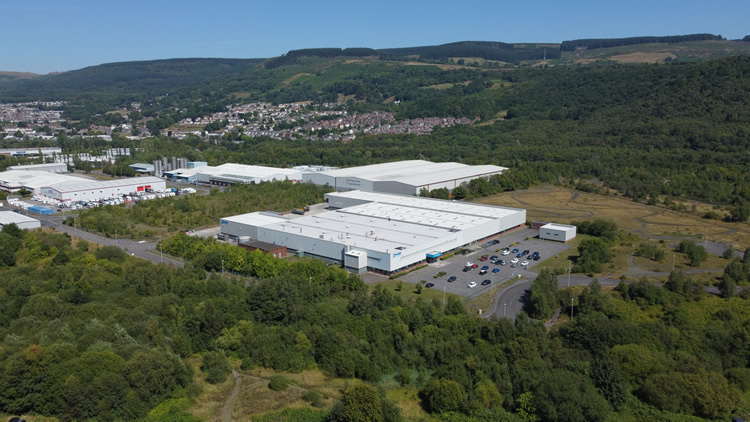
Induction filming for industrial, construction, public-sector and commercial workplaces across South Wales. Video production Cardiff.
Bristol and the South West
Site inductions across Bristol, Somerset, Gloucestershire and the wider South West, including multi-day operational filming. Video production Bristol.
Birmingham and the Midlands
Factory, logistics, construction and workplace induction filming across Birmingham and the Midlands. Video production Birmingham.
Manchester and the North West
Induction and training filming for sites across Greater Manchester and the North West, with travel and overnight requirements scoped around the operational timetable. Video production Manchester.
Liverpool, Merseyside and the North West
Industrial, manufacturing and corporate filming across Liverpool, Merseyside and the wider North West. Longer-distance projects are quoted with the necessary travel and accommodation rather than restricting the service to a local radius. Video production Manchester & the North West →
Oxford, Berkshire and the Thames Valley
Technical, research, construction, logistics and corporate induction filming across Oxfordshire and the Thames Valley. Video production Oxford.
London, Surrey and the South East
Induction projects can be planned around city access, security, limited loading and multiple locations across London and the South East. Video production London.
Southampton and the South Coast
Workplace, port-related, industrial and commercial filming across Southampton and the wider South Coast. Video production Southampton.
Hull, Yorkshire and the North East
Recent induction filming has taken us to a live operational factory site in Hull. We travel across Yorkshire and the North East, with travel time and accommodation allowed for where an overnight stay makes the filming day more practical. Video production across Northern England →
Cambridge, East Anglia and the East of England
Induction filming can be arranged across Cambridgeshire, Essex, Suffolk, Norfolk and the wider East of England, with site access, travel and any required overnight stay planned into the production. Video production London & the South East →
Multi-site induction programmes
Where procedures differ between sites, a shared core programme can be combined with location-specific chapters or separate films. See UK filming locations.
RECENT CLIENTS
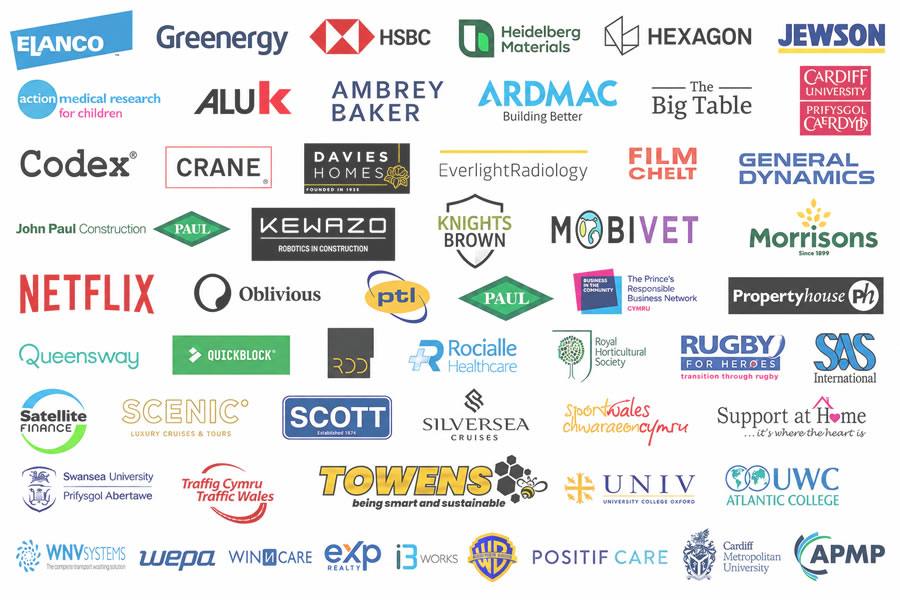
Organisations we have worked with
Commercial, public-sector, education, healthcare, construction and media work across a wide range of production environments.
INDUCTION VIDEO PRODUCTION FAQ
Questions worth asking before filming
Do you actually come to our site to film the induction?
Yes. On-location filming is the core of the service. We travel to your workplace and film the actual entrances, routes, PPE, equipment, working areas, demonstrations and procedures that people need to recognise. We regularly plan around operational sites, escorts, permits, shift patterns and restricted access.
How do we get started with the script?
Start by sending any induction material you already use, such as slides, PDFs, site maps, policies, toolbox notes or an existing script. If you are starting from scratch, we can provide a simple question list covering the audience, arrival and sign-in, PPE, restricted areas, routes, emergency arrangements, reporting and role-specific procedures. Your answers can be plain text, bullet points or notes; we then shape them into a script and shot list for approval before filming.
Can you help us refine the script before production?
Yes. We can work from an existing approved script or help develop one with you. If you supply a script, we recommend an editorial review before voice-over recording and filming. We may suggest removing repetition, improving the structure, identifying sections that would benefit from visual demonstrations, or flagging topics that appear to be missing. We welcome collaboration and questions throughout this stage. Your Health & Safety or training team remains responsible for approving the technical and safety content before production.
Can one shoot create versions for staff, contractors, drivers and visitors?
Usually, yes, provided the versions are planned before filming. Shared material can be captured once, then combined with separate chapters for staff, contractors, drivers and visitors where their access, responsibilities or risks differ.
How much does an induction video cost?
Every project is different, but we aim to keep pricing fair and proportionate to the job. The starting point is the script and shot list we develop with you before filming. That tells us how many scenes, locations, demonstrations, actors, graphics and versions are required. In our experience, a substantial site induction is best planned around at least two full filming days. Where practical, we also recommend allowing for a short pickup visit after the first edit, so any detail identified by the Health & Safety manager can be corrected or strengthened without trying to force every possible shot into the original schedule.
Should we use animation as well as live-action footage?
Animation can work extremely well in an induction film, particularly when you want a faster-paced visual style or need to explain something that would be difficult, disruptive or unsafe to film. It is also useful for routes, maps, processes and hazards. Often the strongest approach is a mixture of real site footage and animation.
Can you film while our site remains operational?
Often, yes. We can plan around access windows, escorts, permits, traffic, shift patterns, noise and safe camera positions, using a smaller crew and kit where the location calls for it. Site management remains in control of what can be filmed and when.
What happens when a procedure or site layout changes?
If the film is planned in modules, individual sections can often be updated without rebuilding the whole programme. Graphics, captions and voice-over are relatively straightforward to revise; new filming may still be required where a route, sign, piece of equipment or demonstration has visibly changed.
Can an induction video replace a face-to-face site induction?
Not automatically. Video is excellent for delivering the approved core information consistently, but the organisation decides what live briefing, current-risk information, checks, questions or supervision are still required for that site and audience.
How do we keep the filming days running efficiently?
We agree the shot list and a realistic schedule before arriving. Staff, vehicles, machinery, PPE and access need to be ready at the agreed times because waiting for an escort, a vehicle or somebody who is unexpectedly unavailable can quickly eat into a filming day. Good preparation means more of the available time ends up on screen.
How many filming days should we allow?
For a substantial site induction, allow at least two full filming days as a realistic starting point. Larger sites, several departments, vehicle sequences or detailed demonstrations may need more. Two of the induction projects shown on this page required around three filming days.
What if our staff don't want to appear on camera?
That is fine. We can bring in a professional actor for video production where required, or film real staff discreetly from a distance, out of focus, from behind or framed so faces are not shown.
In our experience, using an actor can also make the filming day run more smoothly. On induction shoots we are often guided by the Health & Safety manager, who might otherwise have to demonstrate an action personally or find a member of staff who happens to be free. Operational staff can be pulled away at short notice, whereas an actor can wear the appropriate uniform, wait while the next setup is prepared, repeat an action patiently and interact with a designated staff volunteer when a scene needs two people.
START WITH THE SITE AND AUDIENCE
Plan an induction video around the site and the people entering it
Send the site location, audience, existing material and preferred filming window. We will suggest a practical chapter structure, filming approach and quotation built around the actual workplace.