
CUSTOMER TESTIMONIAL VIDEO PRODUCTION
Let the customer say what your marketing cannot.
Natural customer interviews supported by the real workplace, project, product or result they are describing.
The strongest testimonial is usually not the most polished performance. It is a specific customer explaining what happened, why they chose you, what the experience was like and what changed afterwards.

CUSTOMER TESTIMONIAL VIDEO PRODUCTION
SPECIFIC EXPERIENCE BEATS GENERIC PRAISE
WHAT WE HAVE LEARNED FILMING TESTIMONIALS
The right conditions matter more than a perfect script
01
Choose somebody specific
A clear, relevant customer story usually beats a prestigious name with very little detail.
02
Give them time to settle
A few minutes of ordinary conversation before the important questions can improve the whole interview.
03
Ask for detail, not praise
Specific examples are more persuasive than a string of adjectives or “they were great”.
04
Show the evidence
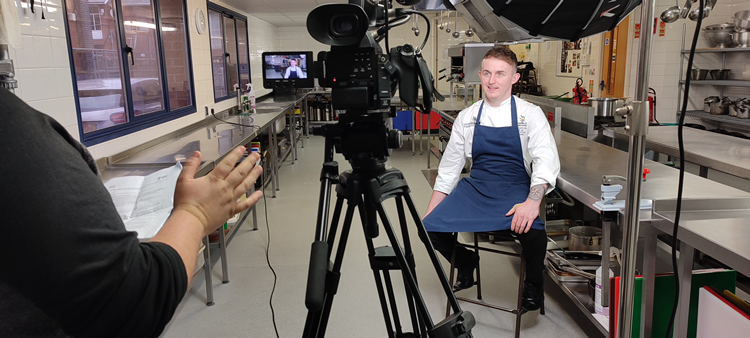
Film the workplace, project, service or product the customer is actually talking about.
WHY CUSTOMER TESTIMONIALS WORK
Your customer can explain the part you cannot credibly claim for yourself
A real customer puts their own name, face and experience behind the story. That matters most when they can describe a problem or decision that a prospective buyer recognises.
The useful material is usually specific: what was happening before, why they chose you, what the process felt like and what changed afterwards.
Supporting footage gives the story context. If the customer is talking about a completed project, show the project. If they are talking about a service, show the interaction. If the result depends on a product or process, capture enough detail for the viewer to understand it.
When the story needs more depth, see case-study video production →
FROM ENDORSEMENT TO CUSTOMER STORY
A good testimonial has somewhere to go
“They were brilliant” is pleasant to hear, but it tells the next customer very little. Give the conversation a beginning, middle and end.
01 · CHALLENGE
What was happening before?
What problem, pressure or need made the customer start looking for a solution?
02 · CHOICE
Why did they choose you?
What mattered when they compared options, and what gave them confidence to make the decision?
03 · EXPERIENCE
What was the process actually like?
This is where useful operational detail usually replaces vague praise.
04 · RESULT
What changed afterwards?
Specific outcomes, examples and consequences give the customer story somewhere concrete to land.
LOOK AFTER THE CONTRIBUTOR
The mood behind the camera matters
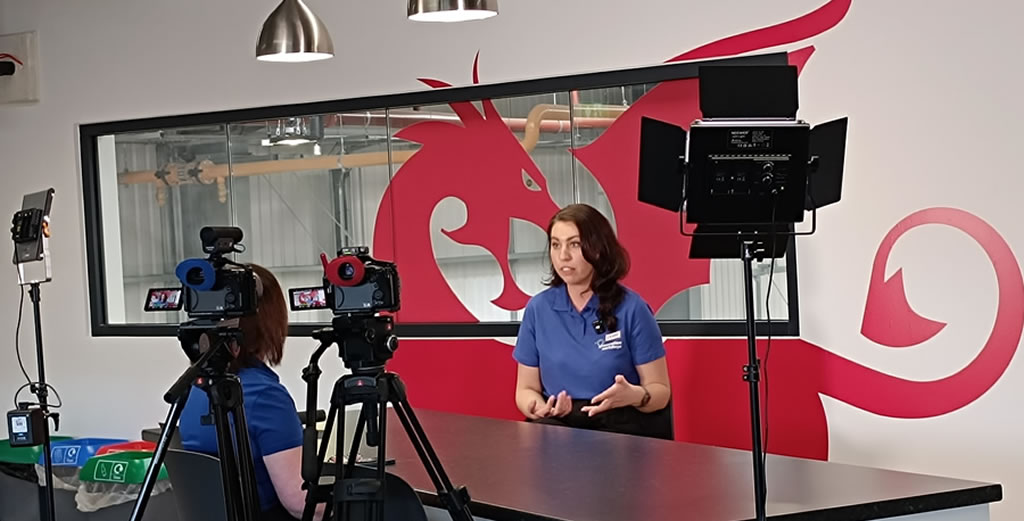
A customer is giving up part of their working day and speaking publicly about your organisation. Keep the crew proportionate, explain what will happen and avoid unnecessary waiting.
A calm, organised setup makes it much easier for them to give thoughtful answers.
CONVERSATION, NOT PERFORMANCE
We ask the questions. Your customer gives the answers.
Most testimonial contributors are customers, managers or specialists, not presenters. They should not need to learn lines or perform somebody else’s marketing copy.
Agree themes rather than a speech. Shape the question areas in advance, but let the customer use their own words.
Make answers work without hearing the question. Complete answers give the edit much more flexibility.
Give nervous contributors time to settle. Restarts and rephrasing are normal. A few minutes of ordinary conversation before the important questions can make a noticeable difference.
Use autocue only when exact wording genuinely matters. For the testimonial itself, natural answers usually feel more believable.
CHOOSE THE RIGHT CUSTOMER
The contributor sells
01
Choose relevance over prestige
A customer similar to the audience you want to win can be more persuasive than a famous logo with very different circumstances.
02
Look for specific detail
Useful contributors can explain what happened, what mattered and what changed, rather than relying on adjectives.
03
Use their real environment
The customer’s own workplace or project location can provide stronger context and b-roll than a generic meeting room.
04
Consider several voices
A customer, project lead and end user can each explain a different part of the experience without repeating one another.
05
Keep the story recent
A recent, specific experience is usually easier to explain clearly than a vague success reconstructed from years ago.
SELECTED TESTIMONIAL WORK
Different interview styles
Controlled interviews, natural conversations and supporting footage should be shaped around the person, location and final use.
ONE CUSTOMER VISIT
Plan more than one useful output before filming starts
One customer conversation can support several channels when the outputs are known before the interview and b-roll are filmed.
01 · MAIN FILM
Focused customer story
A concise testimonial for a website, case-study page, proposal or sales presentation.
02 · SHORT CLIPS
Individual proof points
Short extracts for LinkedIn, email, paid campaigns and sales follow-up.
03 · B-ROLL
Reusable supporting footage
Workplace, project and product footage that can support future edits as well as the testimonial.
04 · STILLS
Campaign assets
Selected photography, captions, clean masters and alternative formats where useful.
If your agency or in-house editor is cutting the project, we can provide organised raw footage. If you want the finished project handled by MJ Films, see post-production and video editing.
HOW THE PRODUCTION WORKS
From customer introduction to finished film
01
Choose the story
Agree which customer experience is worth telling, who the audience is and where the finished content will be used.
02
Shape the questions
Build themes around the challenge, choice, experience and result while leaving room for natural follow-up questions.
03
Film the interview and evidence
Record the conversation, then capture the location, people, product or project footage needed to support the story.
04
Edit for each use
Shape the strongest story first, then create agreed shorter versions, captions, graphics, clean masters or supporting assets.
ORGANISATIONS WE HAVE WORKED WITH
Used to putting real customers, staff and specialists on camera
Commercial, public-sector, education, healthcare, construction and media projects often involve people who are not professional presenters. The production should make it easy for them to contribute.
TESTIMONIAL VIDEO FAQ
Questions clients ask before putting a customer on camera
Useful to send with an enquiry
• Customer location
• Preferred filming date
• Who will be interviewed
• What they experienced
• Where the finished film will be used
• Whether shorter clips are needed
Do our customers need to learn a script?
No. We normally agree the themes and questions in advance and then film a guided conversation. The customer answers in their own words, which usually sounds more credible than asking them to memorise marketing copy. Autocue can still be used for separate scripted statements where exact wording matters.
What if our customer is nervous about being filmed?
That is extremely common. We explain the setup, keep the conversation relaxed and use the first few questions to help them settle before moving into the most important parts of the story. Restarts and rephrasing are normal.
What questions will you ask them?
The question plan is shaped around the customer story and your audience. Typical themes include what was happening before, why they chose you, what the process was like, what stood out and what changed afterwards.
How many customer testimonials can we film in one day?
It depends on the location, setup changes and how much supporting footage each story needs. Several focused interviews can be covered efficiently when contributors are in the same place and the schedule is prepared properly. Different sites or substantial b-roll need more time.
What is the difference between a testimonial and a case study video?
A testimonial is usually a shorter customer endorsement focused on trust and experience. A case study video normally tells a fuller project story with more supporting footage or contributors. The same filming day can sometimes provide material for both.
Can one interview become shorter social and sales clips?
Yes. If those outputs are planned before filming, one customer conversation can supply a main testimonial plus shorter extracts for LinkedIn, email, sales follow-up, paid campaigns or presentations. Relevant b-roll, captions, clean masters and stills can also be included.
TESTIMONIAL VIDEO PRODUCTION ACROSS THE UK
Film the customer story where the experience happened
The customer’s own workplace, project location or operating environment gives the story genuine context and useful b-roll.
LONDON & SOUTH EAST
London, Guildford & Surrey
Customer interviews, case studies and supporting footage at offices, project sites and customer locations.
SOUTH WEST
Bristol, Bath, Bournemouth & Southampton
THAMES VALLEY & WILTSHIRE
Oxford, Reading & Swindon
WALES & MIDLANDS
Cardiff & Birmingham
Cardiff & South Wales
Birmingham & West Midlands
Customer stories, staff testimonials and interview-led case studies across working locations.
For the wider network, see UK video production locations.
READY TO BUILD THE CUSTOMER STORY
Tell us who the customer is and what the film needs to prove
Send the customer location, preferred filming date, who will be interviewed, what they experienced and where you want the finished testimonial to be used. You do not need a finished script or question list before getting in touch.