
OUR VIDEO PRODUCTION PROCESS
Plan the finished film before the cameras arrive.
From the first brief to filming, review and final delivery, the production is built around what the film actually needs to achieve.
You deal directly with the filmmaker responsible for the job, with extra camera, sound, lighting or production crew added only when the brief needs them.

Direct contact
Plan the production with the filmmaker responsible for it.
Crew to fit the job
Keep the setup compact where possible and add specialist crew where useful.
Useful final files
Plan the main film, shorter edits and required versions before filming begins.
START WITH THE RESULT
Before we talk cameras, work out what the film needs to do
Who needs to watch it? What should be clearer afterwards? What evidence or information will make the message convincing? And where will the finished material actually be used?
Those answers determine the contributors, locations, filming style and final versions. You do not need to arrive with a finished script. We can turn a rough objective into a practical structure for the production.
01 · AUDIENCE
Who needs to see it?
Know what the audience already understands and what still needs explaining.
02 · MESSAGE
What should be clearer afterwards?
Decide what the viewer should understand, trust or do when the film ends.
03 · CONTRIBUTORS
Who can carry the story?
Choose the people with the knowledge, authority or experience the audience needs to hear.
04 · OUTPUTS
Where will the material be used?
Website, LinkedIn, internal, chapter, vertical or captioned versions can change how the shoot is planned.
FROM BRIEF TO DELIVERY
Four stages from the first conversation to the finished film
The detail changes from job to job, but the route through production stays simple.
01 · BRIEF
Brief & structure
Agree the audience, purpose, message, format and useful final versions.
02 · PRE-PRODUCTION
Pre-production
Plan contributors, locations, access, interview themes or scripts, permissions and schedule.
03 · FILMING
Filming
Capture interviews, demonstrations, activity and the supporting material the edit actually needs.
04 · EDIT
Edit & delivery
Shape the story, gather review comments and supply the agreed masters and cutdowns.
CHOOSE THE RIGHT APPROACH
Natural conversation or precise wording?
The production style should follow the message rather than forcing every project into the same formula.
INTERVIEW & DOCUMENTARY-LED
Let real people carry the story
Interviews work well when knowledge, customer experience or personal perspective gives the film its credibility. Supporting footage of the workplace, people, products or activity provides the visual evidence behind what is being said.
SCRIPTED, PRESENTER OR CONCEPT-LED
Use greater control when the wording or idea demands it
Approved scripts, presenters, actors, voice-over and storyboards make sense when timing, wording or performance needs tighter control.
THE FILMING DAY
The production should fit the location, not take it over
A boardroom interview, factory demonstration and multi-camera conference need very different setups.
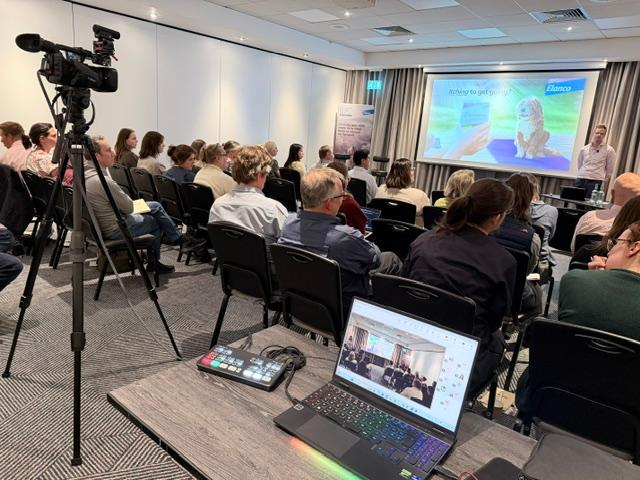
We consider the available space, people, sound, access and activity before deciding what equipment and crew to bring. A compact self-shooting setup may be right for one job; another may need additional cameras, dedicated sound, lighting, drone or production support.
The aim is not to bring the most equipment. It is to bring what the finished film needs.
LOCATION
Access & working conditions
Rooms, loading, parking, noise, security, inductions and the space available for cameras all affect the setup.
CREW
One filmmaker or a larger team
Keep the crew compact where possible and expand only when coverage, sound, lighting or logistics genuinely benefit.
SCHEDULE
Protect what cannot be repeated
Contributor availability, demonstrations and live activity shape the order of the filming day.
SAFETY
Plan the camera positions properly
Operational sites, public venues and restricted areas need safe, agreed positions before the filming begins.
MAKE THE FILMING DAY WORK HARDER
Plan the other useful material before the cameras arrive
A website film does not have to be the only output from the production.
If LinkedIn clips, vertical versions, interview extracts, clean b-roll, still photography or internal versions will be useful, identifying them early changes how we compose shots and how much variation we capture.
One properly planned filming day can therefore provide a main piece and a wider bank of usable material without treating every output as a separate shoot.
01 · MAIN FILM
Complete main version
Landscape film for the website, campaign, presentation or internal audience.
02 · SHORTER EDITS
Focused extracts
LinkedIn, sales, recruitment or individual messages shaped from the same production.
03 · FORMATS
Alternative versions
Vertical, square, captioned or silent versions where the platform requires them.
04 · REUSABLE
Useful media bank
Interview answers, stills, clean footage or organised media where agreed.

REVIEW ROUTE
One person should coordinate comments
Most projects move faster when stakeholders consolidate feedback internally before the next edit. Technical specialists can still check terminology, demonstrations and claims before approval.
EDITING AND REVIEW
Send a first draft, then refine it with the people who know the subject
Most projects are reviewed online, with consolidated comments gathered before the next edit.
For technical or detailed subjects, the relevant specialist can check terminology, processes, demonstrations and claims before approval.
On-site collaborative editing can also be arranged for suitable projects when having the editor, footage and subject expert in the same room will make decisions quicker.
The aim is a clear approval route rather than endless rounds of disconnected comments.
FULL PRODUCTION OR FILMING SUPPORT
Use as much of the production service as you need
Some clients want one person to carry the whole production through. Others already have an agency, producer or editor and only need the filming organised properly.
01 · FULL PRODUCTION
One project from planning to delivery
Contributor preparation, filming, sound, lighting, editing, captions, graphics and final delivery handled together.
02 · FILMING CREW
Production support for another team
Camera, sound, lighting, interviews and b-roll captured to an agreed brief for your producer or editor.
03 · RAW FOOTAGE
Organised media for your editor
Footage captured to agreed technical requirements for an agency or in-house post-production team.
RECENT CLIENTS
Organisations we have worked with
Commercial, public-sector, education, healthcare, construction and media work across a wide range of production environments.
VIDEO PRODUCTION FAQ
Useful things to settle before filming begins
What should we have ready before the first production call?
A rough objective is enough to begin. Tell us who needs to watch the film, what it needs to achieve, where filming is likely to take place, any preferred dates or deadline, and the final places where the content will appear.
Existing scripts, brand guidelines and reference films are useful where available, but they are not required before the first conversation. See the video production pricing guide.
How much preparation does a straightforward filming day need?
A simple interview-led shoot may only need contributor planning, location information, interview themes and a schedule. Projects involving several locations, scripted scenes, complex demonstrations, actors, operational sites or a large number of final versions require more preparation.
The pre-production is kept in proportion to the job.
When is a script better than an interview?
A script is useful when precise wording, timing, legal approval or a specific performance matters. Interviews are usually stronger when a real person’s knowledge, experience or opinion is part of the value of the film.
Some productions combine both. See professional interview filming.
What determines how much can be filmed in one day?
The biggest factors are setup changes, number of contributors, travel between locations and whether important activity can be repeated.
Several interviews and a useful amount of supporting footage can often be covered in one well-planned day. More complicated demonstrations, scripted scenes or several separate sites may need additional time.
Which final versions should be agreed before filming?
Anything that changes the way the material needs to be framed or captured should ideally be known beforehand. That might include a main 16:9 film, LinkedIn cutdowns, vertical versions, silent exhibition loops, training chapters, website banners or clean footage for another editor.
How are feedback and approval organised?
A review version is supplied once the first edit is ready. Your team provides consolidated comments, technical wording is checked where necessary and the agreed revisions are completed before the masters are supplied.
Projects with several stakeholders benefit from choosing one person to coordinate feedback internally.
What affects the overall production timetable?
Contributor availability, locations, approvals, filming complexity, number of final edits and the review process all affect the schedule.
If the film has a fixed launch, event, exhibition or campaign deadline, tell us at the start and the production can be scheduled backwards from it. See our post-production service.
VIDEO PRODUCTION ACROSS THE UK
The same process wherever the filming takes place
MJ Films works throughout the UK for individual filming days and multi-site productions.
WALES & WEST
Cardiff, Hereford & Gloucestershire
Cardiff & South Wales
Hereford & Herefordshire
Gloucestershire
CENTRAL & NORTH
Oxford, Birmingham, Manchester & Scotland
Oxford & Oxfordshire
Birmingham & West Midlands
Manchester & North West
Scotland
Southampton & Hampshire
USEFUL STARTING INFORMATION
✓ Audience and purpose
✓ Likely location and dates
✓ Contributors or activity
✓ Final versions and deadline
START WITH A ROUGH BRIEF
Tell us what the film needs to achieve
Send the audience, purpose, location, preferred dates and the finished material you expect to need. We will come back with a practical production approach, the information still required and a clear quotation.