PRODUCT VIDEO PRODUCTION
Product videos that make the product easier to buy.
Demonstrations, close-ups, working machinery and specialist explanations for products that need more than photographs and specifications.
We build the filming around the questions a buyer needs answered: what it does, how it works, what is different, what the result looks like and what needs explaining before somebody is ready to choose it.
PRODUCT VIDEO PRODUCTION
SHOW THE DETAIL · SHOW THE RESULT
WHY PRODUCT DEMONSTRATION VIDEO WORKS
Show the decision, not every feature
A useful product film shows setup, operation, scale, materials, controls and results in the order the viewer needs them. It does not have to catalogue every feature simply because the product has one.
Start with the buyer: what will they hesitate over, what is difficult to understand, and what can the camera prove quickly? That gives the demonstration a clearer structure and usually makes the finished film shorter.
The same shoot can support a product page, sales presentation, exhibition, training resource or wider marketing campaign.
WHAT TO SHOW
Film the parts the buyer cannot understand from a specification sheet
Controls and interfaces
Materials, finish and build quality
Size, scale and accessories
Setup and operating sequence
The result the product produces
CHOOSE THE RIGHT PRODUCTION STYLE
The product decides how it should be filmed
A tabletop item, working machine and software-linked product should not be forced into the same camera setup.

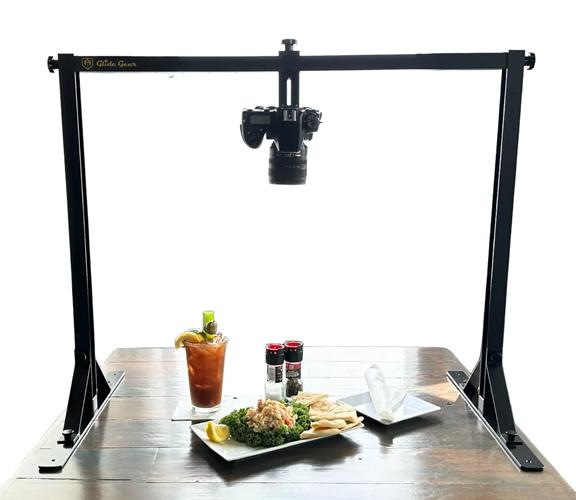
01 · CONTROLLED
Tabletop, close-ups & controlled light
Use repeatable angles, top-down views, close detail and carefully staged hands when finish, controls, components and exact operation need to be easy to inspect.
02 · WORKING CONTEXT
Show the product doing the job
Machinery, tools and specialist equipment usually make more sense in the environment where they are actually used. Show scale, setup, operation, safety-relevant actions and the result.
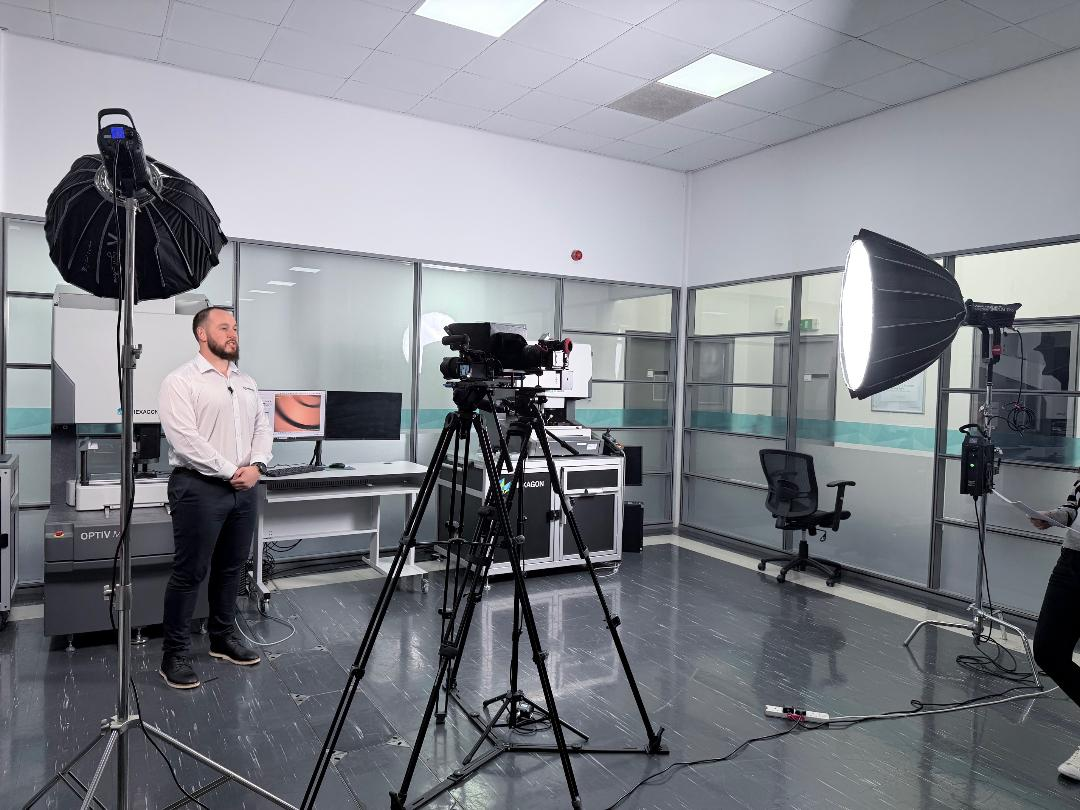
03 · EXPLANATION
Add a specialist, presenter or voice-over
Use spoken explanation when the important part is internal, software-based, highly technical or too small to understand from the picture alone. Captions and graphics can support the same sequence.
SELECTED PRODUCT VIDEO WORK
Different products need different proof
One film is built around real working context; the other concentrates on manufacturing, workmanship and technical accuracy.
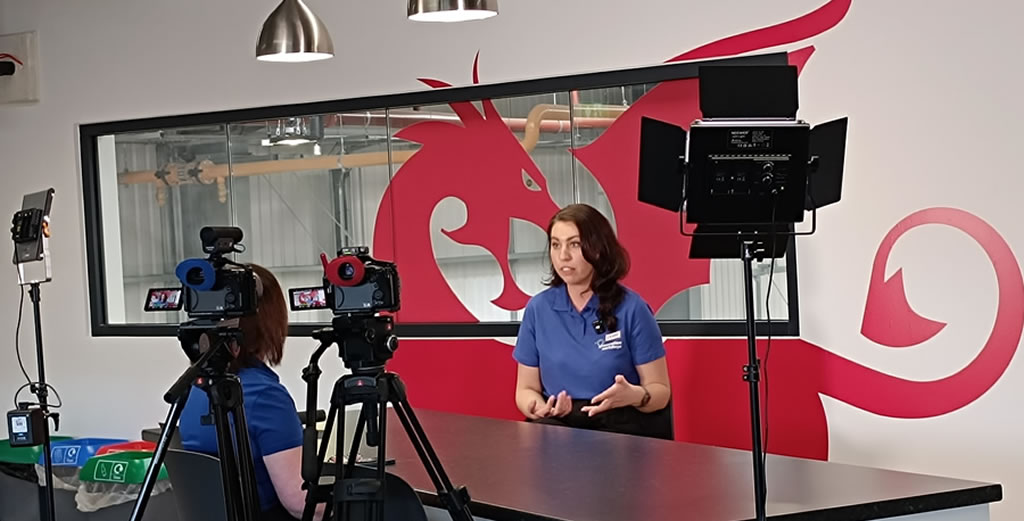
Demonstration with working context
Showing the product in use gives customers a clearer sense of scale, operation and practical value.
Precision product & manufacturing film
The client wanted workmanship and process shown accurately and stayed closely involved in selecting shots and shaping the edit.
PRODUCT FILM CASE STUDY
When accuracy matters, let the specialist shape the edit
A specialist manufacturer of bespoke industrial cabinets commissioned a concise film showing its products, processes and attention to detail.
The filming concentrated on the stages and angles that demonstrated the workmanship. The client reviewed the material closely and shaped the edit down to individual frames.
That level of involvement is useful when a product expert needs to confirm what is technically correct before the film is signed off.
TECHNICAL REVIEW
Put the product specialist into the review loop
The client remains the authority on terminology, claims and operating accuracy. For technical products, review structure and factual detail before spending time polishing graphics or fine edit decisions.
BEFORE THE PRODUCT GOES ON CAMERA
Four decisions that save time in the edit
01 · BUYER
Decide what the viewer needs to understand
Define the buyer, objective, product claims and the result the film needs to make clear.
02 · DEMO
Plan the demonstration in the exact order
Agree the specialist, location, props, safety points, software screens and actions before the product goes on camera.
03 · COVERAGE
Film the whole action and the useful detail
Capture the complete operation first, then close-ups, alternative angles and clean shots for each agreed version.
04 · REVIEW
Check facts before polishing the finish
Review technical wording and product accuracy, then complete captions, graphics, masters, cutdowns and social versions.
Using your own editor? We can also supply organised raw footage.
ONE PRODUCT SHOOT, MORE USEFUL CONTENT
Plan the extra versions before the product leaves the set
The same filming can support sales, training and campaign use when those outputs are known before the cameras start.
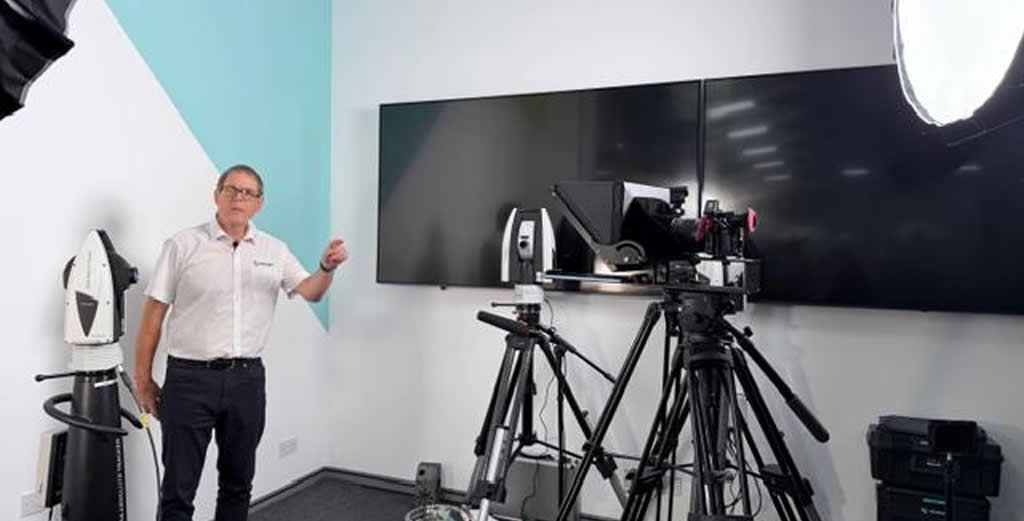
01 · CAMPAIGN
Product launch & social versions
Plan the landscape master and the 4:5 or 9:16 versions before filming so the product, hands, captions and important details still work when the frame changes.
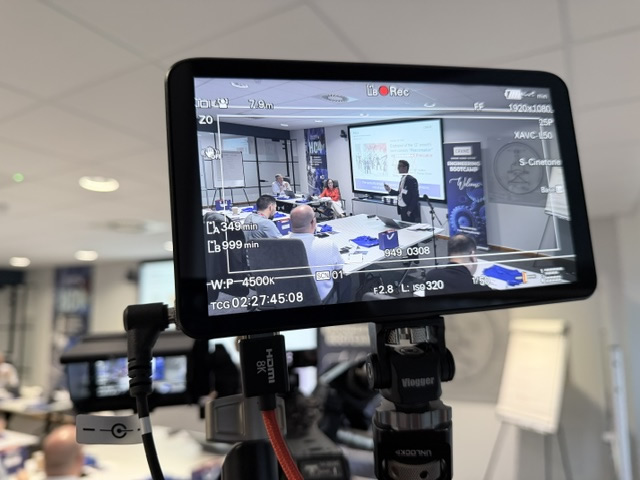
02 · HOW-TO
Turn the demonstration into instruction
Where buyers, staff or installers need a repeatable sequence, the same product knowledge can become chapters, onboarding content or a formal training or installation film.
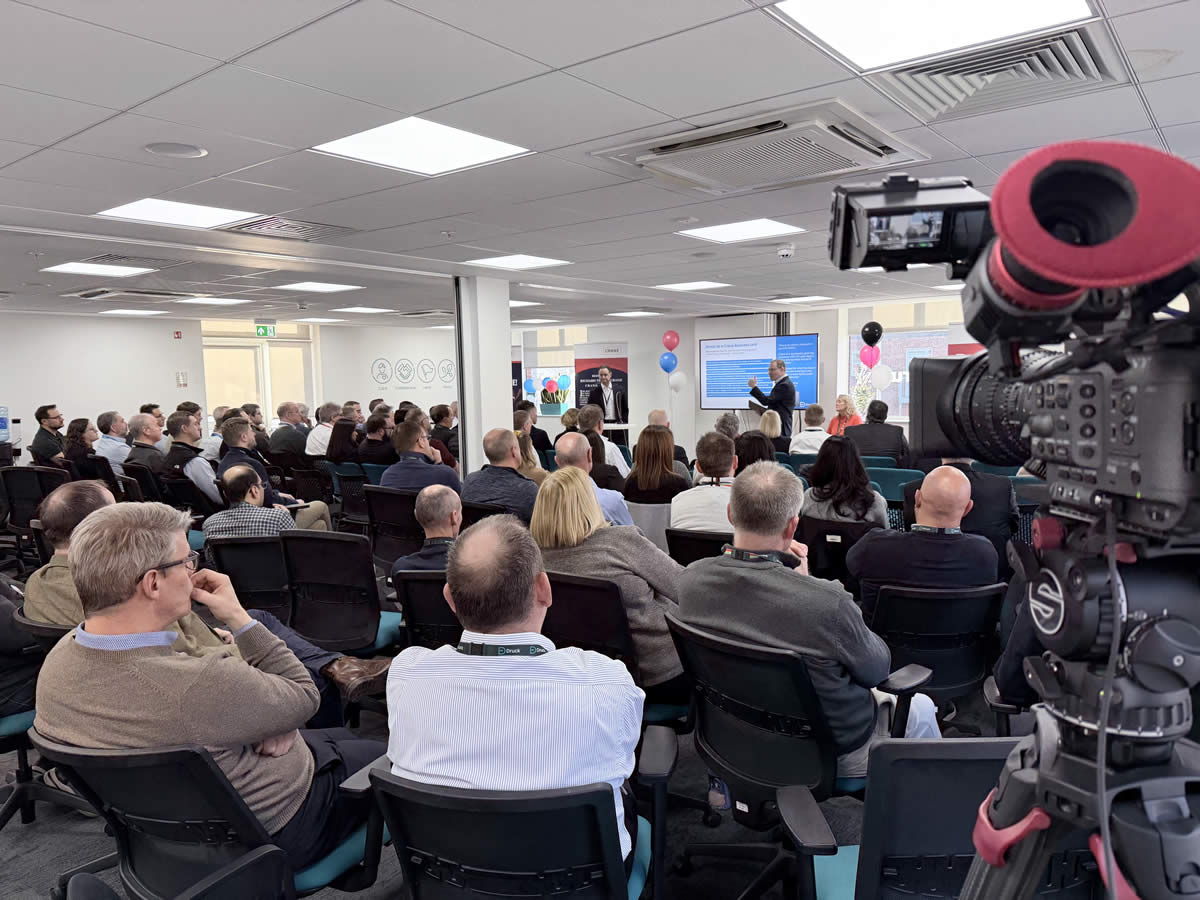
03 · ASSET BANK
Capture stills and clean footage while the setup is ready
Product stills, clean b-roll, detail shots and alternative versions can be captured while the lighting and product setup are already in place.
PRODUCT VIDEO FAQ
Questions worth settling before the product goes on camera
Useful to send with an enquiry
• Product or model
• Intended buyer
• What has to be demonstrated
• Technical claims to protect
• Where the finished videos will be used
What should be ready before product filming?
A final script is not essential, but the product, intended buyer, correct terminology, key features, required claims, demonstration sequence and final uses should be clear enough to plan the day.
Who should demonstrate or explain the product?
Your specialist may be the most credible person to demonstrate it. A presenter suits precise direct-to-camera explanation, while voice-over keeps the screen focused on the product itself.
What makes a product demonstration convincing?
Show evidence rather than simply listing features: setup, action, close detail, scale, real operating context and the result. The viewer should understand what the product does and why the difference matters.
How should we plan for LinkedIn and social media?
Decide the placements before filming. A 16:9 master can sit on product pages and YouTube, while 4:5 and 9:16 versions need framing that keeps products, hands, captions and important details visible.
One overview film or several short feature videos?
Products with several functions often work better as a short overview plus individual feature or chapter videos. Planning those together means each action is filmed once, properly.
How are terminology and product claims checked?
Your product specialist remains the authority on technical wording, regulated claims and operating accuracy. Build that factual review into post-production before final delivery.
What affects the cost of product video production?
Cost depends on filming time, number of products, locations, presenters or specialists, crew, lighting, graphics, editing and the number of finished versions. A tabletop demonstration and machinery filmed across several locations are very different productions.
PRODUCT VIDEO PRODUCTION ACROSS THE UK
Film the product where the demonstration makes sense
Some products belong on a controlled tabletop. Others need the factory, showroom, customer site or working environment around them.
SOUTH & SOUTH EAST
London, Surrey & Dorset
London
Surrey
Bournemouth & Dorset
Tabletop demonstrations, specialist equipment, sales films and campaign content.
CENTRAL & SOUTH WEST
Oxford, Wiltshire, Bristol & Devon
Oxford & Oxfordshire
Swindon & Wiltshire
Bristol
Devon
Technology, manufacturing, business and location-led product filming.
WALES & WEST
Cardiff, Hereford, Gloucestershire & Shropshire
Cardiff
Hereford & Herefordshire
Gloucestershire
Shropshire
Product, agricultural, manufacturing and specialist workplace demonstrations.
NORTH & SCOTLAND
Manchester, Liverpool & Scotland
Working-environment product films with travel and logistics planned around the shoot.
For the wider network, see UK video production locations.
ORGANISATIONS WE HAVE WORKED WITH
Used to technical subjects and real working environments
Commercial, public-sector, education, healthcare, construction and media work means we are used to filming products around specialists, operational sites and information that needs to be represented accurately.